What Is a Temperature Sensor in a Car? Types, Functions, and Common Problems
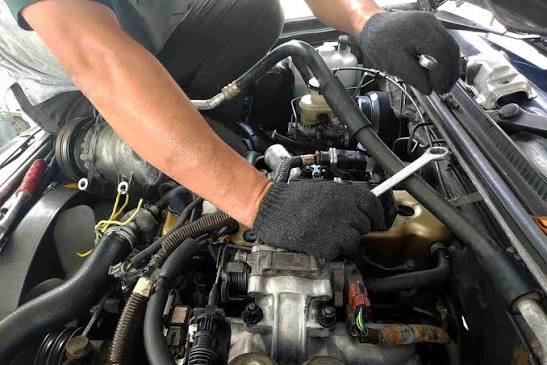
Modern vehicles use advanced electronic systems to monitor and control almost every aspect of engine operation. Among these important components, temperature sensors play a vital role by measuring heat levels and providing accurate information to the vehicle’s computer system. These sensors help the engine maintain the correct operating temperature, improve efficiency, reduce emissions, and prevent serious mechanical problems caused by overheating.
Understanding what is a temperature sensor in a car is important for every vehicle owner because this small electronic component has a major impact on performance and reliability. A temperature sensor works continuously while the engine is running, collecting data about coolant, air, oil, fuel, and exhaust temperatures. The information is then sent to the engine control unit (ECU), which adjusts different systems to keep the vehicle working correctly.
What Is a Temperature Sensor in a Car?
A temperature sensor in a car is an electronic device that measures temperature changes in different parts of the vehicle and sends this information to the ECU. The ECU uses these readings to make automatic adjustments that improve engine performance, fuel efficiency, and safety. These sensors are designed to provide real-time temperature information, allowing the vehicle to respond quickly to changing driving conditions.
The main purpose of a temperature sensor is to monitor heat levels in important vehicle systems. For example, the engine coolant temperature sensor measures the temperature of the coolant surrounding the engine block. This information helps the ECU decide how much fuel to inject, when to activate cooling fans, and how to manage engine performance during cold starts or high-temperature conditions.
How Does a Car Temperature Sensor Work?
Most automotive temperature sensors operate using a heat-sensitive electrical component called a thermistor. A thermistor changes its electrical resistance depending on temperature changes. The ECU receives these electrical signals and translates them into accurate temperature readings that help control different vehicle functions.
The most common type used in cars is the Negative Temperature Coefficient (NTC) sensor. In an NTC sensor, resistance decreases as the temperature increases. When the engine is cold, the sensor sends different signals compared with when the engine reaches normal operating temperature. The ECU uses this information to adjust fuel mixture, ignition timing, and cooling system operation.
Types of Temperature Sensors in a Car
Vehicles contain several types of temperature sensors because different systems require specific temperature measurements. Each sensor has a unique purpose and helps improve the overall performance and reliability of the vehicle. The most common automotive temperature sensors include engine coolant temperature sensors, intake air temperature sensors, exhaust gas temperature sensors, and oil or fuel temperature sensors.
The engine coolant temperature sensor is one of the most important sensors because it directly affects engine management. Other sensors, such as intake air temperature sensors, help improve combustion efficiency, while exhaust temperature sensors protect important components from excessive heat. Together, these sensors create a complete temperature monitoring system within the vehicle.
Engine Coolant Temperature Sensor
The engine coolant temperature sensor, commonly known as the ECT sensor, measures the temperature of the coolant that flows around the engine. It is usually located near the engine block or coolant passage where it can provide accurate readings. The ECU depends on this information to control several important engine functions.
When the engine is cold, the ECT sensor helps the ECU provide additional fuel to support smooth starting and operation. As the engine warms up, the sensor allows the ECU to reduce fuel delivery and improve efficiency. It also helps control radiator fan activation and provides warnings if the engine temperature becomes dangerously high.
Intake Air Temperature Sensor
The intake air temperature sensor measures the temperature of the air entering the engine. Air temperature affects air density, and the ECU uses this information to calculate the correct fuel-to-air mixture needed for efficient combustion. This helps maintain engine performance under different weather and driving conditions.
A properly working intake air temperature sensor improves fuel economy and reduces unnecessary emissions. If the sensor provides incorrect readings, the engine may receive an incorrect fuel mixture, which can lead to poor performance, reduced efficiency, and increased fuel consumption.
Exhaust Gas Temperature Sensor
The exhaust gas temperature sensor monitors the heat produced by exhaust gases leaving the engine. It is especially important in vehicles with turbochargers, diesel engines, catalytic converters, and diesel particulate filters. These components can be damaged by excessive heat, so accurate monitoring is essential.
By measuring exhaust temperatures, the sensor helps protect expensive vehicle components and allows the ECU to make adjustments when temperatures become too high. This improves reliability and ensures the vehicle meets modern emission standards.
Functions and Importance of Temperature Sensors
The main function of a temperature sensor in a car is to provide accurate information about heat levels throughout the vehicle. This data allows the ECU to adjust engine operation automatically, ensuring the vehicle performs efficiently in different conditions. Without accurate temperature readings, the engine may struggle to maintain the correct balance between power, fuel usage, and emissions.
Temperature sensors also help prevent overheating by allowing the cooling system to respond when engine temperatures rise. They support fuel efficiency by helping the ECU maintain the correct fuel mixture and improve combustion. In modern vehicles, temperature sensors are essential for maintaining smooth operation and protecting important engine components.
Signs of a Faulty Temperature Sensor
A damaged temperature sensor can create several noticeable problems that affect vehicle performance. One of the most common warning signs is the check engine light appearing on the dashboard. When the ECU receives incorrect information from a faulty sensor, it may store an error code and alert the driver.
Other symptoms include difficulty starting the engine, poor fuel economy, rough idling, incorrect temperature gauge readings, and cooling fan problems. In some cases, the cooling fan may continue running constantly or fail to operate when needed. Recognising these signs early can help prevent more serious engine problems.
Causes of Temperature Sensor Failure
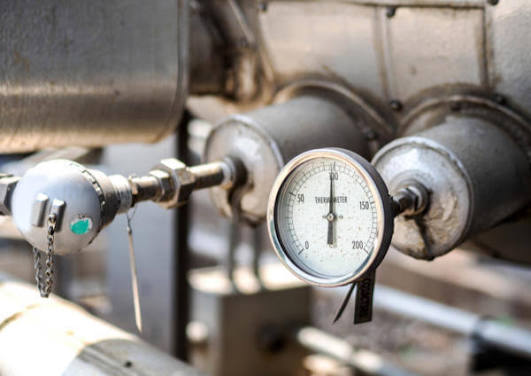
Although temperature sensors are designed to last for many years, they can eventually fail due to different factors. Constant exposure to extreme heat, electrical faults, damaged wiring, corrosion, and contamination can affect sensor performance. Poor vehicle maintenance may also contribute to premature sensor failure.
Regular servicing can help identify potential issues before they become serious. Checking electrical connections, maintaining proper coolant levels, and inspecting related engine components can improve sensor reliability. Preventive maintenance is one of the best ways to protect the vehicle’s temperature monitoring system.
Testing and Replacing a Car Temperature Sensor
Testing a temperature sensor usually involves checking the electrical signals it produces and comparing them with expected readings. Professional mechanics often use diagnostic tools such as OBD scanners to identify fault codes related to temperature sensor problems. Resistance testing can also help determine whether a sensor is functioning correctly.
If a sensor is confirmed to be faulty, replacement is usually the best solution. The replacement process depends on the vehicle model and the location of the sensor. Installing the correct replacement part ensures accurate readings and helps restore normal engine operation.
Can You Drive With a Faulty Temperature Sensor?
Driving with a faulty temperature sensor may seem possible, but it can create risks over time. Incorrect temperature information may cause the ECU to make poor decisions about fuel delivery and cooling system control. This can reduce performance, increase fuel consumption, and potentially lead to engine damage.
A faulty sensor should be inspected and repaired as soon as possible. Early diagnosis can prevent expensive repairs and help maintain vehicle reliability. Regular maintenance and attention to warning signs are important for keeping the engine operating safely.
Conclusion
Understanding what is a temperature sensor in a car helps drivers recognise the importance of this essential automotive component. Temperature sensors provide real-time information to the ECU, allowing the vehicle to manage engine temperature, fuel efficiency, emissions, and cooling performance effectively.
From coolant monitoring to exhaust protection, temperature sensors support many important vehicle functions. Keeping these sensors in good condition through regular maintenance and timely repairs can improve engine reliability, prevent overheating, and ensure a smoother driving experience.
Frequently Asked Questions
What is a temperature sensor in a car used for?
A temperature sensor measures heat levels in vehicle systems and sends information to the ECU for better engine control.
Where is the temperature sensor located in a car?
The location depends on the sensor type, but common locations include the engine coolant system, intake system, exhaust system, and oil passages.
What happens when a car temperature sensor goes bad?
A faulty sensor can cause poor fuel economy, starting problems, rough running, incorrect temperature readings, and warning lights.
How long does a car temperature sensor last?
A temperature sensor can last many years, but its lifespan depends on driving conditions, maintenance, and vehicle usage.
Can I drive with a faulty temperature sensor?
It is possible for a short time, but repairing the issue quickly is recommended to avoid engine performance problems.
You May Also Read: Off Kilter Meaning