How to Reset Coolant Temp Sensor: Easy Step-by-Step Guide
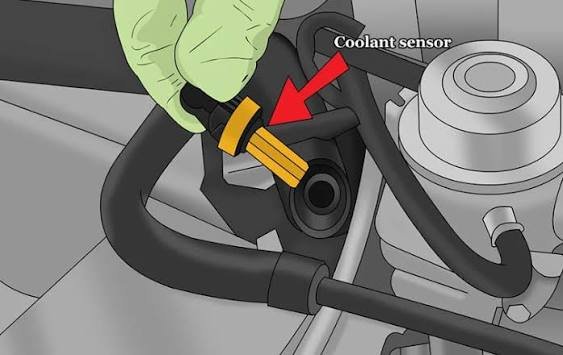
A coolant temperature sensor is a small but essential component in modern vehicles that helps the engine management system understand how hot or cold the engine coolant is. The sensor sends temperature information to the ECU (Engine Control Unit), which uses this data to adjust fuel injection, ignition timing, cooling fan operation, and overall engine performance. When this sensor starts providing incorrect readings, drivers may experience problems such as poor fuel economy, unusual engine behaviour, warning lights, or incorrect temperature gauge readings.
Many vehicle owners search for how to reset coolant temp sensor because they believe the sensor can simply be restarted like an electronic device. In reality, most coolant temperature sensors do not have a manual reset function. Instead, the reset process usually involves clearing ECU fault codes, resetting stored data, or checking whether the issue comes from another component. Understanding the correct procedure can help avoid unnecessary repairs and identify whether the sensor needs attention or replacement.
What Is a Coolant Temperature Sensor and How Does It Work?
The coolant temperature sensor, also known as an engine coolant temperature (ECT) sensor, measures the temperature of the coolant circulating around the engine. It works by changing its electrical resistance according to temperature changes. The ECU receives this information and calculates the correct amount of fuel and other adjustments needed for efficient engine operation.
When the coolant temperature sensor works correctly, it helps the engine warm up properly, maintain fuel efficiency, and prevent overheating problems. However, if the sensor sends inaccurate signals, the ECU may make incorrect decisions. This can result in symptoms such as excessive fuel consumption, difficult starting, rough idling, overheating warnings, or cooling fans operating constantly even when they are not required.
Before attempting any reset, it is important to understand that the sensor itself is usually not the problem that needs resetting. In many cases, the vehicle computer simply needs its stored fault codes cleared after a repair or temporary electrical issue.
Can You Actually Reset a Coolant Temperature Sensor?
When people search for how to reset coolant temp sensor, they often expect a simple button or switch that restores the sensor to normal operation. However, coolant temperature sensors are electronic measuring devices and normally cannot be reset manually. If the sensor has internal damage, incorrect resistance readings, or electrical failure, resetting the system will not repair it.
A reset is usually performed on the vehicle’s ECU rather than the sensor itself. This involves clearing diagnostic trouble codes or removing temporary errors stored in the computer memory. This method can be useful after replacing a sensor, repairing wiring, or fixing another cooling system problem.
If the warning light returns after a reset, it usually indicates that the original problem still exists. Possible causes include a faulty sensor, damaged wiring, low coolant levels, air trapped inside the cooling system, thermostat problems, or other engine cooling issues that require proper diagnosis.
How to Reset Coolant Temp Sensor Using an OBD2 Scanner
The most accurate method for how to reset coolant temp sensor is by using an OBD2 scanner. This professional diagnostic tool communicates with the vehicle’s ECU and allows you to read and clear stored error codes. Many coolant sensor-related issues create specific fault codes that can help identify the problem.
To begin, locate the OBD2 diagnostic port, which is usually found underneath the dashboard near the steering wheel. Connect the scanner, turn the ignition on, and perform a diagnostic scan. The scanner may show codes such as P0115, P0116, P0117, or P0118, which are commonly related to coolant temperature sensor problems.
Before clearing any codes, record the information because it can help with future troubleshooting. Once the issue has been repaired or checked, use the scanner’s clear fault code function. Start the engine and monitor the temperature readings to make sure the sensor is providing accurate information.
Using an OBD2 scanner is recommended because it does more than remove a warning light. It helps confirm whether the coolant temperature sensor is actually working correctly.
How to Reset Coolant Temp Sensor by Disconnecting the Battery
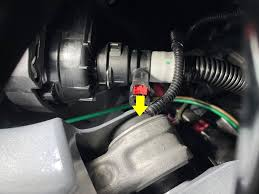
Another common method used by vehicle owners is resetting the ECU by disconnecting the battery. This process removes temporary stored information from the vehicle computer and may clear minor electronic glitches related to sensor readings.
To perform a battery reset safely, switch off the engine and park the vehicle in a safe location. Allow the engine to cool completely before working near the battery. Disconnect the negative battery terminal using the correct tool and leave it disconnected for approximately 10 to 15 minutes. After waiting, reconnect the terminal securely and start the vehicle.
After a battery reset, the ECU may need some time to relearn driving conditions. You may notice that the vehicle behaves slightly differently for a short period while the computer adjusts. Some vehicles may also lose settings such as clock time, radio presets, or personalised driving information.
Although this method can help with temporary problems, it cannot repair a damaged coolant temperature sensor. If the same warning returns, further testing is required.
Signs Your Coolant Temperature Sensor May Need Replacement
Understanding the warning signs of a faulty sensor can prevent unnecessary resets and repairs. A failing coolant temperature sensor often creates noticeable changes in vehicle performance because the ECU relies heavily on accurate temperature information.
Common symptoms include incorrect temperature gauge readings, poor fuel economy, engine performance problems, difficulty starting the vehicle, overheating warnings, and cooling fans running continuously. Some drivers may also notice a Check Engine Light appearing on the dashboard.
If you have tried how to reset coolant temp sensor methods but the problem continues, the sensor may need testing or replacement. A professional inspection can confirm whether the sensor, wiring, connector, or another cooling system component is responsible.
Replacing a faulty sensor is usually a straightforward repair, but it should only be done after proper diagnosis to avoid replacing parts unnecessarily.
How to Diagnose Coolant Temperature Sensor Problems
Before replacing or resetting anything, proper diagnosis is the best approach. Many cooling system problems can create symptoms that look similar to a faulty coolant temperature sensor. Checking the complete system helps identify the real cause.
Start by inspecting the coolant level and checking for visible leaks around the cooling system. Examine the sensor connector and wiring for corrosion, loose connections, or physical damage. Electrical problems are a common reason why sensors provide incorrect readings.
An OBD2 scanner can display live temperature data, while a multimeter can measure sensor resistance to determine whether it is operating within the correct range. Comparing the sensor reading with the actual engine temperature can reveal whether the sensor is inaccurate.
A complete diagnosis ensures that you solve the real issue instead of repeatedly clearing warning codes.
What to Do After Resetting the Coolant Temperature Sensor
After completing a coolant temperature sensor reset, it is important to monitor the vehicle carefully. Start the engine and allow it to reach normal operating temperature. Check whether the temperature gauge moves correctly and whether warning lights remain switched off.
Take the vehicle for a short test drive and pay attention to engine performance, cooling fan operation, and temperature behaviour. If the warning light appears again, use an OBD2 scanner to check whether the same fault code has returned.
Knowing how to reset coolant temp sensor is useful for troubleshooting, but a successful repair depends on identifying and fixing the original cause. A reset should be considered part of the diagnostic process rather than a complete solution.
Conclusion
Learning how to reset coolant temp sensor can help vehicle owners deal with temporary ECU problems, clear diagnostic codes, and confirm whether a repair has been successful. However, it is important to remember that the sensor itself usually cannot be manually reset.
The best approach is to diagnose the issue first, use an OBD2 scanner when possible, and check related cooling system components. Battery resets may help with temporary faults, but they cannot fix damaged sensors or mechanical problems.
By understanding how coolant temperature sensors work and following the correct troubleshooting steps, drivers can maintain better engine performance, avoid unnecessary costs, and keep their vehicle’s cooling system operating efficiently.
Frequently Asked Questions
Can you reset a coolant temperature sensor without replacing it?
Yes, you can clear ECU fault codes and reset stored errors without replacing the sensor. However, if the coolant temperature sensor is physically damaged or giving incorrect readings, resetting will not solve the problem and replacement may be required.
How do I reset a coolant temperature sensor with an OBD2 scanner?
Connect the OBD2 scanner to your vehicle’s diagnostic port, scan for fault codes, record the information, and use the clear code option. After resetting, monitor the vehicle to confirm that the problem does not return.
Will disconnecting the battery reset a coolant temperature sensor?
Disconnecting the battery can reset ECU memory and remove temporary stored errors. However, it does not repair a faulty coolant temperature sensor, damaged wiring, or other cooling system issues.
How do I know if my coolant temperature sensor is faulty?
Common signs include incorrect temperature readings, poor fuel economy, engine starting problems, cooling fan issues, overheating warnings, and a Check Engine Light appearing on the dashboard.
Why is my temperature gauge still incorrect after resetting the sensor?
If the temperature gauge remains incorrect after a reset, the problem may be caused by a faulty sensor, wiring issue, thermostat problem, coolant level issue, or another engine cooling system fault.
You May Also Read: What Is a Temperature Sensor in a Car