Leeds Facts: 25 Interesting and Fun Facts About Leeds, England
Leeds is one of the most fascinating cities in northern England, combining a rich industrial past with modern shopping districts, cultural attractions, historic architecture and beautiful green spaces. These Leeds facts reveal why this Yorkshire city has become an important destination for visitors, students, businesses and history enthusiasts. From pioneering inventions to famous sporting traditions, Leeds has played a remarkable role in shaping British culture, commerce and innovation.
Whether you are planning a visit or simply want to discover something new about England, Leeds offers plenty of surprises. Its historic markets, impressive Victorian buildings, lively music scene and extensive parks create a distinctive atmosphere. Exploring these Leeds facts provides a closer look at the people, places and achievements that have helped transform Leeds from a historic market town into one of the UK’s most influential regional cities.
Where Is Leeds and What Is It Famous For?
Leeds is located in West Yorkshire, in northern England, near the River Aire and the eastern foothills of the Pennines. It is a major commercial, educational and cultural centre, attracting visitors and businesses from across the UK. Its location has helped it develop strong transport connections with other northern cities, making it an important destination for employment, shopping, entertainment and higher education.
The city is particularly famous for its shopping districts, universities, football, music and industrial heritage. Historic landmarks stand alongside contemporary developments, creating an interesting contrast between old and new. Leeds also serves as a gateway to the wider Yorkshire countryside, offering access to attractive landscapes beyond its busy centre. These Leeds facts demonstrate how geography, history and modern development have combined to shape the city’s distinctive identity.
The History of Leeds: From Settlement to City
One of the most interesting Leeds facts concerns its early history. The settlement was recorded as Loidis by the historian Bede around the eighth century, although human activity in the surrounding area dates back much further. Over time, Leeds developed from an agricultural settlement into a medieval market town, with trading activities helping establish its importance within the Yorkshire region.
During the Industrial Revolution, Leeds became a major centre for wool production, textiles, engineering and manufacturing. Canals and railways improved transportation, allowing businesses to distribute products more efficiently. The city’s rapid growth brought new factories, warehouses and residential neighbourhoods. Leeds officially received city status in 1893, marking an important milestone in its development and reflecting its growing economic and regional importance.
Amazing Inventions and Discoveries Connected to Leeds
Leeds has contributed to scientific discovery, cinema and engineering in ways that many people may not expect. In 1888, Louis Le Prince filmed the Roundhay Garden Scene in Leeds, a short sequence widely recognised as one of the earliest surviving motion-picture films. This achievement connects the city with the beginnings of cinema and demonstrates its place in the history of moving images.
Another notable achievement involved Joseph Priestley, who conducted experiments with carbonated water in Leeds in 1767. Engineer Matthew Murray also designed the Salamanca, an early commercially successful steam locomotive built for the Middleton Railway in 1812. These discoveries illustrate how Leeds contributed to technological progress during a period of significant change. They also make the city’s history especially interesting for anyone exploring British inventions and industrial innovation.
Famous Landmarks and Historic Places in Leeds
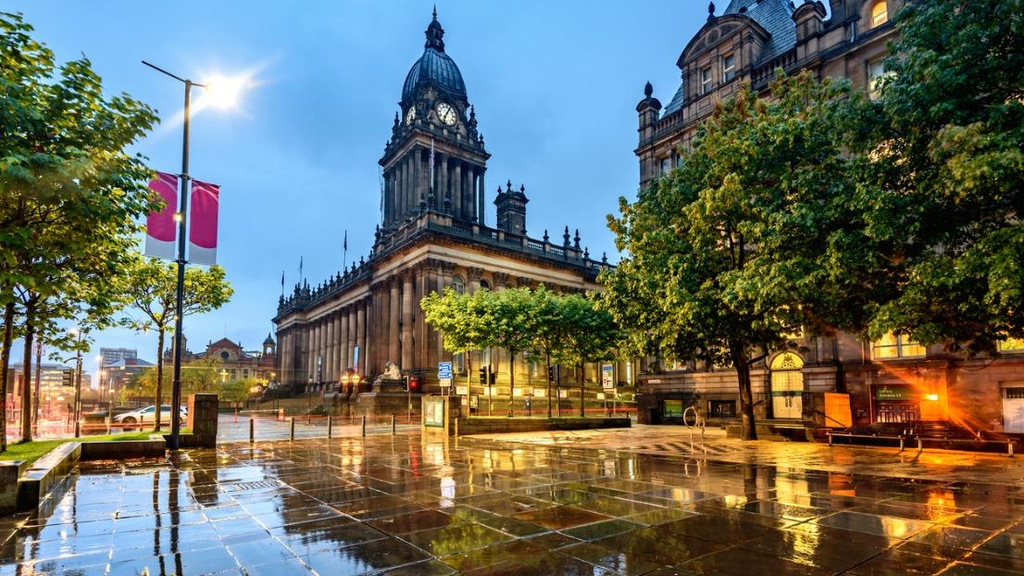
Leeds Town Hall is among the city’s most recognisable landmarks. Opened by Queen Victoria in 1858, this impressive Victorian building features grand architecture and a prominent clock tower. It reflects the confidence and prosperity of Leeds during the nineteenth century, when industrial success transformed the city and encouraged the construction of important civic buildings.
Other notable attractions include Leeds Corn Exchange, Kirkstall Abbey and Temple Newsam. The Corn Exchange is admired for its distinctive domed roof, while Kirkstall Abbey preserves the remains of a medieval Cistercian monastery. Temple Newsam combines historic architecture with gardens and extensive parkland. Together, these places reveal different aspects of Leeds’ history, from religious life and commerce to architecture, wealth and the development of public spaces.
Fun Facts About Leeds’ Parks and Green Spaces
Roundhay Park is one of Leeds’ best-known outdoor attractions, covering more than 700 acres of parkland. Visitors can explore lakes, woodland, formal gardens, walking routes and recreational areas throughout the grounds. Its spacious landscape provides a welcome contrast to the busy city centre, making it popular with families, walkers, cyclists and people looking for a peaceful place to relax.
The wider Leeds district also contains numerous gardens, nature reserves and areas of open countryside. These spaces support wildlife, provide opportunities for outdoor activities and contribute to residents’ quality of life. The presence of extensive green spaces challenges the idea that Leeds is purely an industrial or commercial destination. Instead, the city combines urban development with natural landscapes, offering visitors several ways to experience its character.
Leeds as a Centre for Shopping, Markets and Business
Kirkgate Market is an important part of Leeds’ commercial history. Established in 1822, it developed into a major shopping destination offering fresh produce, clothing, household goods and products from independent traders. Its historic surroundings and lively atmosphere continue to attract shoppers, while its long trading tradition demonstrates the importance of markets to the city’s economic development.
One of the most memorable Leeds facts is that Marks & Spencer began with a market stall. In 1884, Michael Marks opened his Penny Bazaar at Kirkgate Market, later partnering with Tom Spencer as the business expanded. Today, Leeds has a diverse economy that includes finance, healthcare, digital technology, retail and professional services. This combination of historic trade and modern business helps explain the city’s continuing commercial importance.
Interesting Facts About Leeds’ Universities and Student Life
Leeds is an important university city, home to institutions including the University of Leeds, Leeds Beckett University and Leeds Trinity University. These institutions attract students from across the UK and overseas, supporting research, professional development and cultural exchange. Their presence contributes to the city’s reputation as a centre for education and creates opportunities for collaboration between universities, businesses and local communities.
Student life also influences Leeds’ restaurants, cafés, music venues, entertainment districts and accommodation market. Throughout the academic year, students contribute to the lively atmosphere found in many neighbourhoods. The city’s educational opportunities, employment prospects and social activities make it an attractive destination for young adults. For visitors, this youthful energy adds another dimension to Leeds, complementing its traditional architecture and established cultural institutions.
Leeds Culture, Music, Food and Local Traditions
Leeds has a vibrant cultural scene featuring music, theatre, visual arts, festivals and independent creative spaces. Its venues host performances ranging from classical concerts to contemporary music, while galleries and cultural institutions showcase artistic work from local and international creators. The city has also developed a reputation for supporting live entertainment, making culture an important part of everyday life.
Food and local traditions contribute equally to the city’s identity. Leeds offers traditional Yorkshire dishes alongside international restaurants, independent cafés and street-food markets. The Leeds West Indian Carnival, which began in 1967, celebrates Caribbean culture through music, dance, costumes and community participation. Another distinctive local expression is the traditional nickname Loiner, used for someone from Leeds. These traditions help preserve local identity while reflecting the city’s cultural diversity.
Leeds United, Sport and Major Sporting Events
Football is central to the identity of many Leeds residents. Leeds United, founded in 1919, plays its home matches at Elland Road, a historic stadium associated with generations of supporters. The club has experienced memorable successes and difficult periods, but its passionate following remains an important part of the city’s sporting culture and public life.
Sport in Leeds extends beyond football to rugby league, rugby union and cricket. Leeds Rhinos have a significant following in rugby league, while Headingley is a well-known venue for cricket and rugby. Sporting events attract visitors, support local businesses and bring communities together. The city’s sporting traditions demonstrate how football grounds, stadiums and historic venues can become important symbols of civic pride and shared experience.
Conclusion
Leeds is much more than a major city in West Yorkshire. Its history includes industrial innovation, pioneering film-making, railway engineering and the beginnings of Marks & Spencer. Its historic landmarks, universities, green spaces, cultural events and sporting traditions continue to attract people from across the UK and beyond. Together, these achievements reveal a city that has repeatedly adapted to changing economic and social conditions.
These Leeds facts highlight the city’s ability to connect its past with modern life. Whether you are interested in history, architecture, shopping, sport, education or nature, Leeds offers plenty to discover. Exploring its streets, markets and attractions reveals the stories behind one of Yorkshire’s most distinctive cities. From historic inventions to lively contemporary culture, Leeds remains an engaging destination for anyone curious about England’s heritage and regional identity.
Frequently Asked Questions
What is Leeds most famous for?
Leeds is famous for its industrial heritage, shopping, universities, music, football, historic architecture and cultural attractions. It is also associated with Marks & Spencer and pioneering work in early cinema.
How old is Leeds, England?
Leeds has a history stretching back more than a thousand years. The settlement was recorded as Loidis around the eighth century and later developed into a medieval market town.
Why are people from Leeds called Loiners?
Loiner is a traditional term for someone from Leeds. Although the precise origin of the word is debated, the nickname remains part of the city’s local identity.
What inventions and discoveries are associated with Leeds?
Leeds is associated with Joseph Priestley’s experiments with carbonated water, Louis Le Prince’s early motion-picture filming and Matthew Murray’s Salamanca steam locomotive.
What is the most famous landmark in Leeds?
Leeds Town Hall, Kirkgate Market, Leeds Corn Exchange and Kirkstall Abbey are among the city’s best-known landmarks, representing different parts of its architectural and commercial history.
You May Also Read: Edward Godwin