How Deep Is Lough Neagh? Average and Maximum Depth Explained
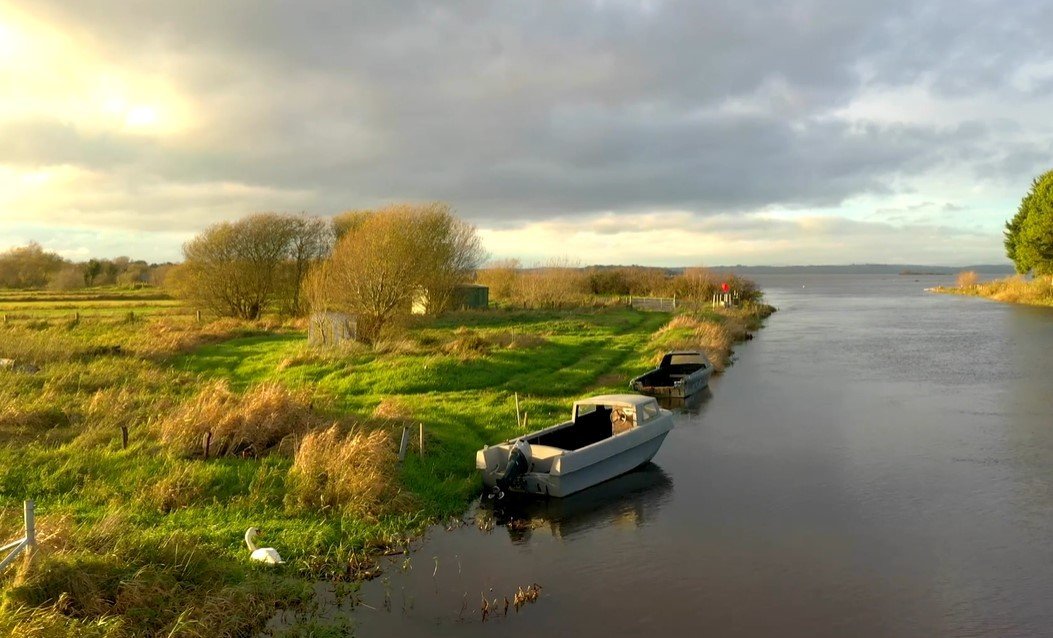
How deep is Lough Neagh? This is a common question about Northern Ireland’s most famous freshwater lake, known for its enormous surface area, distinctive landscape and important wildlife habitats. Lough Neagh has an average depth of approximately 8.9 metres (29 feet), while its maximum depth is reported to reach around 34 metres (112 feet). These measurements reveal an interesting geographical feature: despite covering a vast area, the lake is relatively shallow compared with many other lakes of similar importance.
Understanding how deep is Lough Neagh involves more than simply looking at its deepest point. Its underwater landscape, broad basin, surrounding rivers and exposure to strong winds all influence its characteristics. The lake also plays a significant role in Northern Ireland’s environment, supporting fish populations, waterbirds and local communities. Exploring its average depth, maximum depth, size and ecological importance provides a clearer picture of why this remarkable lake deserves attention.
What Is the Average Depth of Lough Neagh?
The average depth of Lough Neagh is approximately 8.9 metres, equivalent to around 29 feet. This measurement describes the lake’s typical depth when considered across its entire area, rather than the depth at one particular location. According to Northern Ireland’s Department of Agriculture, Environment and Rural Affairs, the lake is unusually shallow for such an extensive body of freshwater. Its underwater landscape contains broad shallow areas alongside a smaller number of deeper sections.
When considering how deep is Lough Neagh, it is important to distinguish between average and maximum depth. The average measurement provides an overall picture of the lake, whereas maximum depth identifies its deepest known location. These figures describe different characteristics and should not be used interchangeably. The average depth is particularly useful for understanding how wind, sunlight and water movement influence conditions throughout the lake, while the maximum depth helps researchers examine its underwater geography.
What Is the Maximum Depth of Lough Neagh?
The maximum depth of Lough Neagh is reported to be approximately 34 metres, or about 112 feet. This is considerably deeper than the lake’s average depth of around 8.9 metres, demonstrating that the underwater landscape is not completely uniform. Most of the lake consists of relatively shallow water, while particular sections descend considerably further. These differences are important for understanding the lake’s physical structure and the distribution of its aquatic habitats.
Some geographical references report a maximum depth closer to 25 metres, which can create confusion when researching the subject. Such variations may reflect differences between sources, datasets or depth surveys. When explaining how deep is Lough Neagh, it is best to identify the source of the measurement and use a consistent figure throughout the article. Official environmental information is a useful starting point, particularly when readers need dependable measurements for research, education or geographical comparisons.
How Big Is Lough Neagh?
Lough Neagh covers approximately 383 square kilometres, making it the largest freshwater lake in the United Kingdom by surface area. Its vast expanse stretches across central Northern Ireland, with several surrounding counties connected to its shoreline and catchment. The lake is a major geographical landmark, influencing the appearance of the surrounding countryside and supporting a wide range of environmental and economic activities. Its scale is particularly impressive when viewed from elevated locations, where the extensive water surface becomes apparent.
The relationship between size and depth makes Lough Neagh especially interesting. Although it covers a much larger area than many other lakes, its average depth remains relatively modest. Someone researching how deep is Lough Neagh might naturally expect the largest lake to have an exceptionally deep basin, but surface area alone does not determine depth. A lake can spread across a broad, relatively flat basin without developing the steep underwater slopes or deep depressions found in other bodies of water.
Why Is Lough Neagh So Shallow?
Lough Neagh has a broad basin containing extensive shallow areas, which helps explain its relatively low average depth. Unlike lakes with narrow, steep-sided basins, much of its underwater landscape extends across a wide area without descending dramatically. This shape influences how water moves through the lake and how environmental conditions develop. Its shallow margins also create important transition zones between open water, wetlands and the surrounding landscape, supporting habitats that contribute to the lake’s ecological value.
Wind is another important influence on Lough Neagh’s physical characteristics. Because the lake is broad and exposed, winds can generate waves and help mix the water column. This movement influences temperature distribution and the circulation of suspended material and nutrients. However, the answer to how deep is Lough Neagh cannot be explained by wind alone. Its depth is also connected to the basin’s geological development, underwater topography and the way water enters and leaves the lake through its extensive drainage system.
Where Is the Deepest Part of Lough Neagh?
The deepest area of Lough Neagh is associated with a feature known as the Trench, situated in the north-western part of the lake. This area differs from the broad, shallow sections that dominate the surrounding underwater landscape. Depth measurements and bathymetric information help researchers identify these variations, providing a clearer understanding of the lake’s structure. Bathymetry is the study of underwater depth and terrain, and it is particularly useful for mapping depressions, slopes and other submerged features.
Knowing where the deepest section lies adds another dimension to understanding how deep is Lough Neagh. The deepest point represents a relatively small part of the lake, so it does not determine the depth experienced across most of its surface. Water depth can vary substantially depending on the location, making detailed maps more informative than a single measurement. These geographical differences can also matter for research into fish habitats, water circulation and the physical processes that shape the lake’s underwater environment.
How Does Lough Neagh Compare with Other UK and Irish Lakes?
Lough Neagh stands out because of its extensive surface area, but it is not among the deepest lakes in the British Isles. Other lakes with smaller surface areas can contain much deeper basins, demonstrating that lake size and depth are separate geographical measurements. For a meaningful comparison, it is useful to examine surface area, average depth and maximum depth individually. Looking at all three measurements provides a more accurate understanding of how lakes differ in shape, volume and underwater structure.
When people ask how deep is Lough Neagh, comparisons can help put its measurements into perspective. Its average depth of approximately 8.9 metres makes it relatively shallow across its extensive surface. However, its maximum depth of around 34 metres shows that deeper areas do exist. Differences in geology, basin formation and landscape history help explain why some lakes are deep and narrow while others are broad and comparatively shallow. These contrasts make the lakes of the United Kingdom and Ireland particularly interesting to geographers and nature enthusiasts.
Does Lough Neagh’s Depth Affect Its Wildlife and Water Quality?
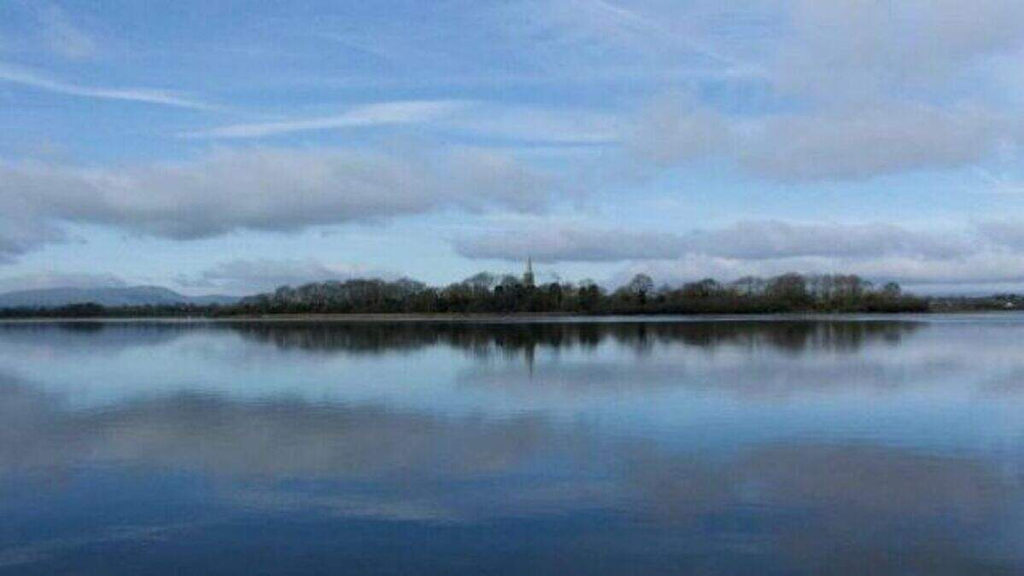
Lough Neagh’s shallow waters influence several aspects of its ecology, including temperature changes, water mixing and the distribution of nutrients. Wind can move water across the lake, helping mix much of the water column under suitable conditions. The surrounding wetlands, reedbeds and shoreline habitats provide important spaces for birds and other wildlife, while the lake itself supports fish and aquatic organisms. Together, these habitats contribute to the lake’s environmental significance and its importance for biodiversity in Northern Ireland.
Water quality is also a major concern. Lough Neagh has experienced serious blue-green algal blooms, including widespread problems during 2023. Nutrient pollution, particularly the excessive availability of phosphorus, can contribute to these blooms under favourable conditions. Although the lake’s shallow nature influences its environmental processes, depth alone does not explain algal growth or water-quality problems. Understanding how deep is Lough Neagh therefore provides only part of the picture; effective environmental management also requires attention to pollution sources, river catchments and changing ecological conditions.
Can You Swim in Lough Neagh, and Is It Safe?
Lough Neagh’s depth varies across the lake, but water depth is only one factor affecting swimming safety. Weather, water temperature, waves, visibility and local conditions can all influence the risks faced by swimmers. Even relatively shallow water can become dangerous when conditions deteriorate, while deeper areas may present additional hazards for people who are unfamiliar with the lake. Anyone planning water-based activities should understand the local environment and avoid assuming that a location is safe simply because it appears calm.
Water quality requires particular attention because harmful blue-green algae can develop in freshwater environments. Some blooms may produce toxins that pose risks to people and animals, so checking current official advice is essential before entering the water. Research into how deep is Lough Neagh does not establish whether swimming is safe at a particular time. Visitors should consult relevant Northern Ireland environmental guidance and local warnings, as conditions can change and restrictions may apply to specific areas.
How Was Lough Neagh Formed?
Lough Neagh occupies a natural basin in central Northern Ireland, and its present-day form reflects a long geological history. The surrounding landscape, the underlying geology and the development of its drainage network have all influenced the lake’s shape. Understanding these factors helps explain why the lake extends across such a broad area while remaining relatively shallow over much of its surface. Its basin is part of a wider landscape system that connects upland areas, rivers, wetlands and the open water of the lake.
The lake also receives water from an extensive catchment, which includes rivers draining large parts of Northern Ireland and an area of County Monaghan in the Republic of Ireland. Water leaves Lough Neagh through the Lower Bann, flowing northwards towards the coast. These connections influence the lake’s water balance and environmental conditions. Considering its geology and drainage system alongside the question of how deep is Lough Neagh offers a more complete understanding of how this major freshwater feature functions within the surrounding landscape.
Conclusion
Lough Neagh is a remarkable freshwater lake whose enormous surface area contrasts with its relatively shallow underwater landscape. Its average depth is approximately 8.9 metres, or 29 feet, while the maximum depth is commonly reported as around 34 metres, or 112 feet. These measurements help explain why the lake is geographically distinctive and why average depth should always be considered separately from the deepest recorded point.
Ultimately, how deep is Lough Neagh is a question that reveals more than a simple measurement. The lake’s broad basin, wind-driven water movement, extensive catchment and diverse wildlife make it an important natural feature of Northern Ireland. Understanding its depth also provides useful context for appreciating its environmental challenges, particularly water quality and algal blooms. By examining its size, geology and ecology together, readers can develop a more complete picture of this significant freshwater landscape.
Frequently Asked Questions
How deep is Lough Neagh in metres?
Lough Neagh has an average depth of approximately 8.9 metres, with a reported maximum depth of around 34 metres.
How deep is Lough Neagh in feet?
Its average depth is approximately 29 feet, while its maximum depth is around 112 feet.
What is the deepest point in Lough Neagh?
The deepest area is associated with the Trench in the north-western part of the lake, where depths are reported to reach approximately 34 metres.
Is Lough Neagh the largest lake in the UK?
Yes, Lough Neagh is the largest freshwater lake in the United Kingdom by surface area, covering approximately 383 square kilometres.
Is Lough Neagh safe for swimming?
Swimming safety depends on local conditions and current water quality. Check official guidance and algal-bloom warnings before entering the water.
You May Also Read: Capital City Questions