Why Is My Cascade Pod Not Dissolving? Causes and Fixes
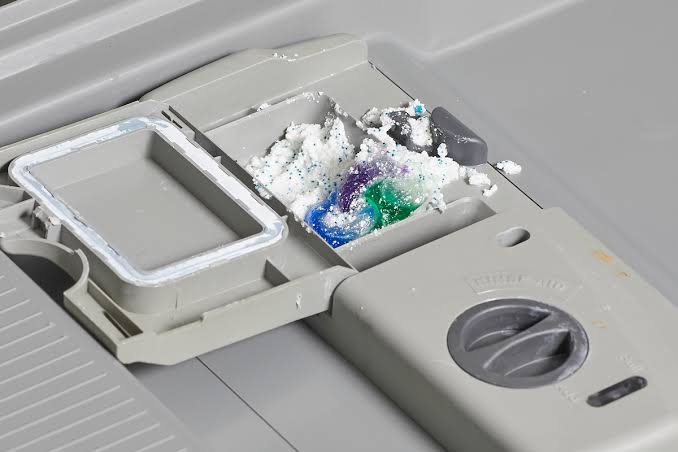
If you open your dishwasher after a complete wash cycle and discover a partly dissolved detergent pod, you may wonder why your dishes are still dirty. Understanding why is my Cascade pod not dissolving can help you identify the cause and find a practical solution without immediately paying for an appliance repair. The problem often involves water temperature, detergent dispenser access, spray-arm movement or the dishwasher’s ability to circulate water effectively during the wash.
Fortunately, several straightforward checks can help you investigate the issue at home. You can start by checking the dispenser door, rearranging your dishes and inspecting the spray arms for obstructions. If the problem continues after these checks, the appliance may have a heating, filling or circulation fault. This guide explains the common causes, practical troubleshooting steps and preventative measures that can help your dishwasher clean more effectively.
Common Reasons Your Cascade Pod Is Not Dissolving
Dishwasher detergent pods need suitable washing conditions and sufficient contact with water to dissolve properly. When something interferes with the washing process, the pod may remain partly intact, leave a sticky residue in the dispenser or fail to clean dishes effectively. The exact cause depends on the dishwasher model, selected programme, water supply and condition of the appliance.
When investigating why is my Cascade pod not dissolving, begin with the simplest possibilities before assuming that a component has failed. A large plate might block the dispenser, a spray arm might be unable to rotate, or the selected programme might not provide the conditions needed for satisfactory cleaning. Checking these factors systematically can help you narrow down the cause and avoid unnecessary repairs.
Check Whether the Detergent Dispenser Is Blocked
A blocked detergent dispenser is one possible explanation for an undissolved Cascade pod. Large plates, chopping boards, baking trays and pan handles can prevent the dispenser door from opening fully. Even when the door opens, a dish positioned directly in front of it may restrict the flow of water needed to release and dissolve the detergent during the cycle.
To investigate the problem, open the dishwasher and examine how the dishes are arranged around the detergent compartment. Move any obstructing items and check that the dispenser door can open freely. If the compartment contains old detergent residue, clean it according to the manufacturer’s instructions. A door that repeatedly fails to open despite correct loading may have a damaged latch or mechanism that needs professional attention.
Check the Water Temperature and Wash Cycle
Water temperature can influence how effectively a dishwasher detergent pod dissolves. If the incoming water is too cool or the appliance is not heating water correctly, the pod may dissolve more slowly or leave residue behind. Short and energy-saving programmes can also behave differently from longer cycles, depending on the dishwasher’s design, heating controls and the manufacturer’s recommended operating conditions.
If you are wondering why is my Cascade pod not dissolving, consult your dishwasher manual to identify a suitable wash programme and the required water conditions. In some installations, running the kitchen hot tap briefly before starting the dishwasher can help ensure that warmer water reaches the appliance during the initial fill. Never increase your water heater setting beyond safe recommendations, and seek professional assistance if you suspect the dishwasher is not heating correctly.
Inspect the Dishwasher Spray Arms
Spray arms distribute water around the dishwasher, helping remove food residue and carry detergent throughout the appliance. If a bowl, utensil or large tray blocks their movement, water may not reach the detergent dispenser effectively. Food particles and mineral deposits can also restrict spray-arm openings, reducing water distribution and contributing to poor cleaning performance.
Before starting another wash, check whether the spray arms can rotate freely by hand. Remove any dishes that obstruct them and inspect the openings for visible debris. Clean removable components only as described in the manufacturer’s instructions. If the spray arms remain restricted, the dishwasher makes unusual noises or water circulation appears inadequate, investigate further before assuming that the detergent pod itself is faulty.
Load the Dishwasher and Handle Cascade Pods Correctly
Correct dishwasher loading helps water reach the detergent compartment and circulate around the dishes. Avoid positioning tall items directly in front of the dispenser, and arrange plates, bowls and utensils so that they do not obstruct the spray arms. Overloading the racks can also prevent water from reaching surfaces effectively, leaving food residue and detergent behind after the programme finishes.
Always handle Cascade pods with dry hands and place them in a dry detergent compartment, following the instructions on the packaging. Moisture can soften the pod’s outer film before the wash begins, potentially making it sticky or difficult to release. Store unused pods in their original packaging or another suitable closed container in a cool, dry location, safely away from children and pets.
Troubleshooting Cascade Pods in Different Dishwashers
If your Cascade pod is not dissolving in a Whirlpool, Bosch, Frigidaire or KitchenAid dishwasher, begin with the same basic checks. Inspect the dispenser, correct any loading problems, confirm that the spray arms can rotate and choose an appropriate wash programme. These steps help identify common causes without assuming that a particular dishwasher brand automatically has a specific mechanical fault.
Different models may have different dispenser designs, filter arrangements and cleaning instructions, so consult the correct appliance manual before removing components or attempting maintenance. If the pod remains undissolved over several properly loaded cycles, especially when dishes also come out dirty, the appliance may have a heating, filling or circulation problem. Persistent faults should be assessed by a qualified technician rather than diagnosed solely from the appearance of the remaining pod.
What to Do If Your Cascade Pod Still Does Not Dissolve
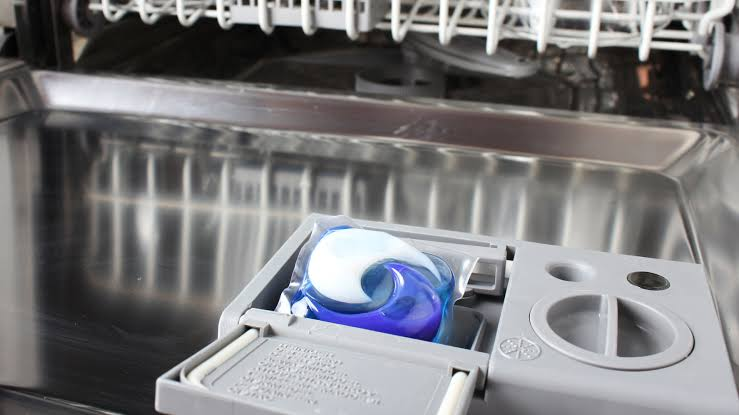
If the problem continues after checking the dispenser and spray arms, inspect the dishwasher filter according to the manufacturer’s guidance. A clogged filter may affect cleaning performance, although it will not necessarily explain every undissolved pod. Confirm that the water supply is available and that there are no obvious obstructions or warning indicators suggesting a problem with the appliance.
When considering why is my Cascade pod not dissolving despite these checks, avoid repeatedly running cycles without investigating the underlying cause. Persistent poor cleaning, inadequate filling, unusual noises or suspected heating problems may indicate that the dishwasher needs servicing. Record when the problem occurs, which programme you used and where the undissolved pod was found. This information can help a technician investigate the fault more efficiently.
How to Prevent Cascade Pods From Failing to Dissolve
Preventative maintenance can reduce the likelihood of finding an undissolved pod after a wash. Before starting the dishwasher, make sure the dispenser is unobstructed, the spray arms can rotate freely and the racks are loaded according to the appliance instructions. Choose a programme suitable for the load and follow the detergent manufacturer’s directions for placing and using the pod.
Store detergent pods away from moisture and clean the dishwasher filter and spray arms at the intervals recommended in the manual. Check the dispenser periodically for residue, and address recurring cleaning problems rather than ignoring them. If the issue returns despite suitable loading and correct detergent use, consider whether the appliance is heating and filling properly. Early investigation can help identify developing faults before they affect every wash.
Conclusion
If you are asking why is my Cascade pod not dissolving, begin by checking the detergent dispenser, water temperature, spray arms and dishwasher loading. These are practical starting points because each can affect detergent release, water contact or circulation during a wash. Correcting an obstruction or selecting an appropriate programme may resolve the issue without requiring a repair.
If the pod continues to remain partly intact despite proper loading and suitable cycle selection, investigate the filter, water supply and circulation system according to the manufacturer’s instructions. Persistent problems may indicate a fault that requires professional attention. By troubleshooting methodically, storing detergent correctly and maintaining the appliance, you can improve cleaning performance and avoid unnecessary replacement of parts.
Frequently Asked Questions
Why is my Cascade pod not dissolving in the dishwasher?
Common causes include a blocked dispenser door, insufficient water temperature, obstructed spray arms or poor water circulation. Check these factors before investigating more complex faults.
Can cold water stop a Cascade pod from dissolving?
Water that is too cool can contribute to incomplete dissolution. Check the selected programme and consult your dishwasher manual if you suspect a heating problem.
Why is my Cascade pod stuck in the dispenser?
A blocked dispenser door, incorrect loading or moisture in the detergent compartment may contribute. Ensure the door can open freely and keep the compartment dry.
Should I put a Cascade pod in the dispenser or the bottom of the dishwasher?
Follow the instructions on your Cascade packaging and dishwasher manual. The detergent compartment is generally intended for the pod unless the manufacturer specifies otherwise.
When should I call a technician about an undissolved dishwasher pod?
Seek professional assistance if the pod repeatedly remains undissolved after basic checks or if the dishwasher also has heating, filling or circulation problems.
You May Also Read: How to Remove Fitbit Charge 5 Band