What Is a Subagent in Texas Real Estate? Duties & Rules
Understanding property representation is essential when buying or selling a home in Texas. Many people assume that a real estate professional showing them properties automatically represents their interests. However, agency relationships can be more complicated. If you are wondering what is a subagent in Texas real estate, the term historically described a licensed professional who represented the seller through cooperation with another broker, even while assisting potential buyers.
Texas real estate regulations have evolved, making it particularly important to distinguish traditional agency arrangements from current legal requirements. Changes effective from January 2026 removed subagency from the Texas Real Estate License Act. Understanding these developments helps buyers, sellers, and aspiring property professionals recognise their rights and responsibilities. This guide explains the historical meaning of subagency, fiduciary duties, relevant Texas laws, and modern alternatives to traditional seller representation.
What Is a Subagent in Texas Real Estate?
To understand what is a subagent in Texas real estate, consider how property transactions traditionally involved multiple brokers. A subagent was a licensed real estate professional who represented the seller through cooperation with the seller’s listing broker. Although the professional might arrange viewings, communicate with prospective purchasers, or provide property information, their agency duties remained directed towards the seller rather than the buyer.
This distinction was important because receiving assistance from a property professional did not necessarily mean receiving independent representation. Buyers could mistakenly believe that the person showing them a house was protecting their negotiating interests. Historically, subagency created a relationship in which the cooperating professional owed fiduciary duties to the seller. The arrangement is now primarily relevant for understanding older Texas real estate practices and educational materials.
How Did Subagency Work in Texas Real Estate?
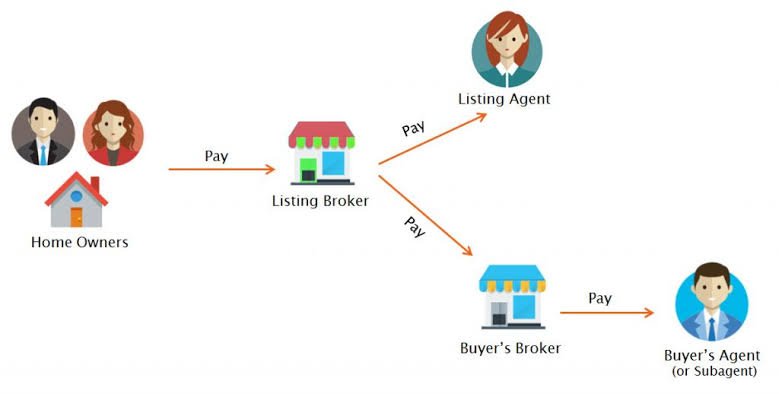
Historically, subagency involved a seller, listing broker, cooperating broker, and prospective purchaser. The seller appointed a listing broker to market the property, while another licensed professional could cooperate in finding interested buyers. Under a subagency arrangement, that cooperating professional represented the seller. Their activities might include arranging appointments, explaining property features, and communicating offers while remaining responsible for protecting the seller’s lawful interests.
For example, imagine a homeowner in Austin listing a property for sale. A professional from another brokerage introduces a potential buyer and organises a viewing. Under traditional subagency, the professional could assist the purchaser with factual information without becoming the purchaser’s representative. Understanding what is a subagent in Texas real estate therefore requires recognising the difference between providing practical assistance and establishing a legal agency relationship.
Duties and Responsibilities of a Subagent in Texas
Traditional subagents owed fiduciary responsibilities to the seller, including loyalty, confidentiality, reasonable care, and appropriate disclosure. These obligations required the professional to act in the seller’s lawful interests and protect confidential information obtained through the agency relationship. A subagent could not properly prioritise the buyer’s negotiating position over the seller’s interests. However, the professional still had responsibilities to communicate honestly and avoid misleading statements.
The duties of a subagent also included handling relevant transaction information responsibly and following lawful instructions within the agency arrangement. For instance, confidential details concerning the seller’s negotiating position required careful treatment. Understanding what is a subagent in Texas real estate helps explain why buyers needed to identify the professional’s role before revealing sensitive financial information, purchasing limits, or preferred negotiating strategies during property discussions.
Texas Real Estate Laws and TREC Rules for Subagents
Texas property transactions are regulated through the Texas Real Estate License Act and rules administered by the Texas Real Estate Commission, commonly known as TREC. Historically, the legislation included a definition of subagency. However, Senate Bill 1968 introduced important changes effective from 1 January 2026, removing subagency from the Act and updating requirements relating to representation and certain property showings.
These changes make older explanations of subagency potentially misleading when presented as current law. Anyone researching what is a subagent in Texas real estate should distinguish historical practices from today’s requirements. The Information About Brokerage Services notice helps consumers understand brokerage relationships and applicable disclosures. Buyers and sellers should consult the official Texas Real Estate Commission website for current forms, statutory information, and guidance before entering an agreement.
Subagent vs Buyer’s Agent vs Intermediary in Texas
Understanding what is a subagent in Texas real estate becomes easier when comparing traditional subagency with modern representation arrangements. Historically, a subagent represented the seller, whereas a buyer’s agent represents the purchaser and protects their interests. An intermediary is different because the same broker represents both parties with the required written consent. Each arrangement involves distinct responsibilities, particularly concerning confidentiality, negotiations, and the advice professionals can provide.
Texas does not permit conventional dual agency, but it allows intermediary relationships under statutory conditions. With appropriate written consent, an intermediary broker may appoint separate associated license holders to advise individual parties. Without such appointments, the intermediary must remain impartial and cannot provide the same individual negotiating advice. Buyers should understand these distinctions before assuming that a professional involved in their purchase represents them.
TREC
+1
Advantages and Disadvantages of Traditional Subagency
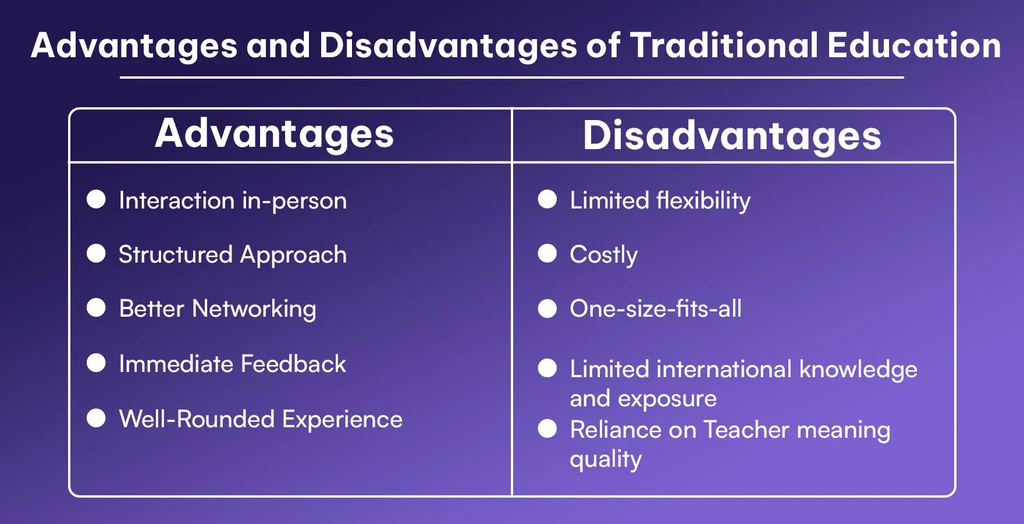
Traditional subagency allowed cooperating professionals to help sellers reach potential buyers through additional marketing and property viewings. This arrangement could increase exposure for listed homes and create opportunities for transactions between different brokerages. However, understanding what is a subagent in Texas real estate also means recognising its limitations. Buyers could receive useful assistance without having a professional legally committed to protecting their negotiating interests.
The greatest concern involved confusion about representation. A buyer might reveal their maximum budget or willingness to accept unfavourable conditions without understanding the professional’s duties to the seller. Such misunderstandings could affect negotiations and consumer confidence. Modern Texas rules place greater emphasis on identifying representation clearly and using appropriate written agreements, helping buyers understand whether they are represented or receiving limited assistance without representation.
Real-Life Example of a Subagent in Texas Real Estate
Imagine a homeowner in Houston who hires a listing broker to sell a property. Under the historical subagency system, another licensed professional could cooperate with that broker and introduce an interested purchaser. The cooperating professional might organise a viewing and answer questions about the home while continuing to represent the seller. This example illustrates why direct contact with a buyer did not automatically establish buyer representation.
Suppose the purchaser privately mentions that they could afford considerably more than the advertised asking price. Under traditional subagency, the professional’s fiduciary responsibilities were directed towards the seller, subject to applicable legal obligations. Buyers therefore needed to understand whom the professional represented before discussing confidential information. Today, this example should be treated as historical because Texas removed subagency from its statutory framework in 2026.
How to Identify Your Real Estate Representation in Texas
Buyers should establish the professional’s role before discussing offers, financial circumstances, or negotiating strategies. Anyone researching what is a subagent in Texas real estate should begin by asking whether the license holder represents the seller, represents the buyer, or is acting without representation. Reviewing brokerage disclosures and written agreements can help clarify these relationships and identify the services the professional is authorised to provide.
Under Texas rules effective from January 2026, qualifying property showings may occur without buyer representation when statutory requirements are satisfied. A professional acting under this arrangement cannot provide opinions or advice about the property or perform other brokerage services for that buyer. The TREC guidance on buyer representation changes explains these restrictions and the relevant written agreement requirements.
TREC
+1
Conclusion
Understanding what is a subagent in Texas real estate provides valuable insight into how property representation developed over time. Traditionally, a subagent represented the seller through cooperation with another broker, even when assisting prospective purchasers. This arrangement involved fiduciary responsibilities and could create confusion when buyers assumed they were receiving independent representation. Recognising these historical distinctions remains useful for understanding older property transactions and real estate educational materials.
However, Texas legislation effective from January 2026 removed subagency from the Real Estate License Act and introduced updated requirements concerning representation. Buyers and sellers should therefore rely on current TREC guidance rather than outdated descriptions of agency relationships. Asking clear questions, reviewing written agreements, and understanding the professional’s responsibilities can help protect consumer interests and support more transparent property transactions.
Frequently Asked Questions
What is a subagent in Texas real estate?
Historically, a subagent represented the seller through cooperation with another broker. Texas removed subagency from its Real Estate License Act in January 2026.
Who did a subagent represent in Texas?
A traditional subagent represented the seller, even when assisting a prospective buyer with property viewings or transaction information.
Is subagency still recognised under Texas law?
Subagency was removed from the Texas Real Estate License Act effective 1 January 2026.
What is the difference between a subagent and a buyer’s agent?
A traditional subagent represented the seller, while a buyer’s agent represents the purchaser and protects their interests.
Can a Texas agent show property without representing the buyer?
Yes. Texas permits certain property showings without buyer representation when the statutory requirements and applicable restrictions are satisfied.
You May Also Read: Title Generator for Presentation