Plumbing Questions and Answers Free: 100+ Practice Questions
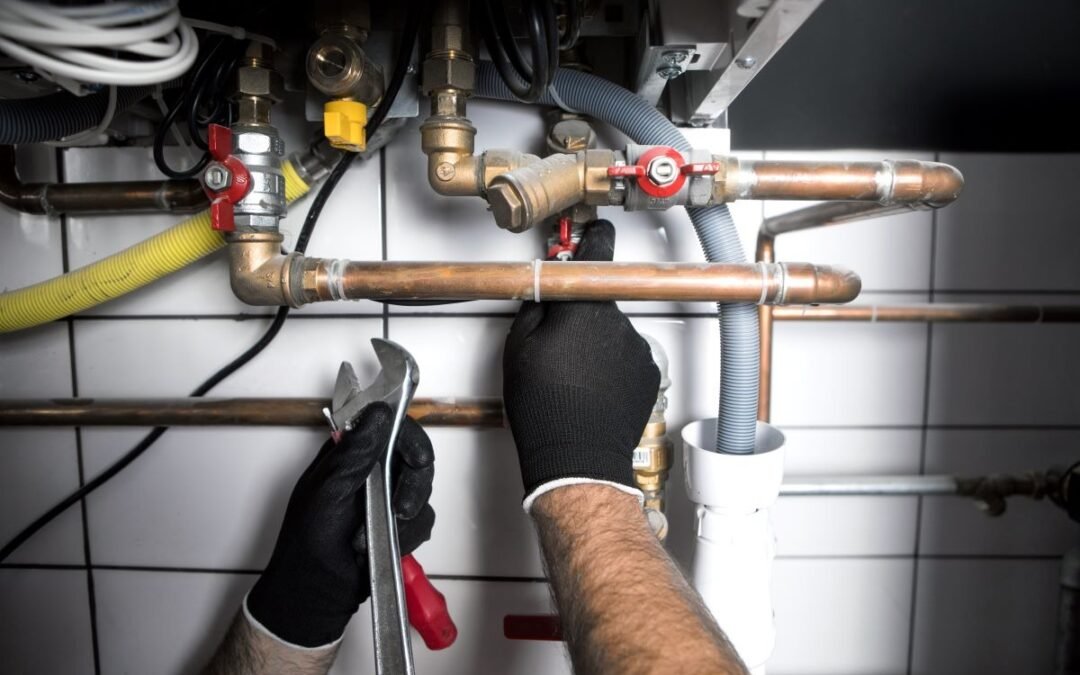
Plumbing is an essential part of every home, workplace and commercial building. It supplies clean water, removes wastewater and supports heating systems that make everyday life comfortable. Whether you are a beginner, an apprentice or someone preparing for a plumbing qualification, understanding how plumbing systems work can improve your confidence. Using plumbing questions and answers free is a practical way to revise important concepts, learn technical terms and identify areas where you need further study.
This guide covers basic plumbing knowledge, tools, pipework, water pressure, drainage, hot-water systems, common faults and safety practices. Each question includes a straightforward answer to help you understand the reason behind the correct response. These plumbing questions and answers free are particularly useful for self-study and revision, although they should be combined with practical experience and up-to-date UK guidance when preparing for professional work or formal assessments.
Basic Plumbing Questions and Answers for Beginners
A plumbing system consists of interconnected pipes, valves, fittings and fixtures that deliver water and remove waste. Learning the purpose of these components provides a strong foundation for understanding more complicated installations. Beginners should become familiar with stopcocks, isolation valves, traps, taps and drainage pipes before attempting practical repairs. Understanding how these parts work together also makes it easier to recognise faults and explain plumbing problems accurately.
The following plumbing questions and answers free introduce common terms that every learner should know. Rather than memorising definitions alone, consider how each component functions in a real building. For example, knowing where a stopcock is located can help you respond quickly to a leak, while understanding a water trap explains why unpleasant drainage smells sometimes appear when a fixture has not been used for a long time.
What is the main purpose of a plumbing system?
A plumbing system supplies clean water to fixtures and appliances while carrying wastewater safely towards an appropriate drainage system. It may also include equipment for heating and distributing domestic hot water.
What is a stopcock?
A stopcock is a valve used to shut off the water supply to a building or a section of pipework. Knowing its location is important when dealing with leaks or carrying out maintenance.
Why are traps fitted beneath sinks?
A trap retains a small amount of water that forms a seal against foul drainage gases. If the trap dries out or develops a fault, unpleasant smells may enter the room.
Plumbing Tools, Materials and Pipework Questions
Plumbers use different tools to measure, cut, join, tighten and repair pipework. Common equipment includes pipe cutters, adjustable spanners, grips, plungers and specialist tools designed for particular fittings. Selecting the correct tool helps prevent damage and makes repairs more reliable. Materials also matter because copper, plastic and other pipe types have different installation requirements, temperature limits and compatible joining methods.
When practising plumbing questions and answers free, focus on why a particular tool or material is suitable for a job. A compression fitting, for example, creates a mechanical joint using a compression ring, whereas other systems may require approved push-fit or soldered connections. Following the manufacturer’s instructions and using compatible components can reduce the risk of leaks and premature failure.
What is a pipe cutter used for?
A pipe cutter creates a controlled cut through compatible pipe materials. The correct tool depends on the pipe type and size, and the cut should be prepared according to the fitting manufacturer’s requirements.
What does a compression fitting do?
A compression fitting joins compatible pipes by compressing a ring around the pipe as the fitting is tightened. Correct assembly helps produce a secure joint without requiring soldering.
Why should water pipes be insulated?
Insulation reduces heat loss from hot-water pipes and helps protect vulnerable cold-water pipes against freezing. It can also improve energy efficiency by reducing unnecessary heat loss between the water heater and the outlet.
Water Supply, Pressure and Plumbing System Questions
Water supply systems must deliver enough water for taps, showers, toilets and household appliances. Problems can develop when valves are partly closed, pipework becomes restricted or the incoming supply experiences reduced pressure. Understanding the difference between pressure and flow rate is especially useful because a fixture can have reasonable static pressure but still deliver a weak flow when water is running.
These plumbing questions and answers free help learners understand common supply problems and the purpose of important components. Before investigating a fault, establish whether it affects one tap or several fixtures. A blocked tap aerator may cause a local problem, whereas low flow throughout a property may indicate a wider supply issue that requires further investigation.
What is the difference between water pressure and flow rate?
Water pressure describes the force exerted by water within a system, while flow rate measures how much water passes through a point over a particular period. Both affect fixture performance.
What is an isolation valve?
An isolation valve allows a specific fixture or section of pipework to be shut off for maintenance. It can make repairs easier by avoiding the need to interrupt the entire water supply.
What causes banging noises in water pipes?
Sudden changes in water movement can create pressure waves known as water hammer. Loose pipe supports, fast-closing valves and other system conditions may contribute to the noise.
Drainage, Traps and Waste Pipe Questions
Drainage systems remove wastewater from sinks, baths, showers and toilets. They rely on suitable pipe sizes, effective connections, appropriate gradients and correctly functioning traps. When part of the system becomes restricted, water may drain slowly, gurgling sounds may develop or unpleasant smells may appear. Understanding these symptoms helps learners distinguish between minor blockages and problems that may require professional attention.
A useful way to practise plumbing questions and answers free is to consider common drainage scenarios. Grease and food waste can build up in kitchen waste pipes, while hair and soap residue often contribute to bathroom blockages. Repeated flushing should be avoided when a toilet is blocked because it can cause an overflow. Persistent problems, sewage backups or suspected damaged drainage pipes should be assessed by a qualified professional.
What causes a sink to drain slowly?
Common causes include grease, hair, soap residue and debris collecting inside the waste pipe or trap. A suitable cleaning method may resolve a minor blockage, but recurring restrictions require investigation.
What is a soil pipe?
A soil pipe carries wastewater containing human waste from toilets to the drainage system. Its design and connections must be suitable for the building’s drainage arrangement.
Why is the correct drainage gradient important?
A suitable gradient helps wastewater flow effectively through the pipework. Incorrect gradients can contribute to poor drainage, deposits and blockages, depending on the system design and operating conditions.
Hot Water, Boilers and Heating Questions
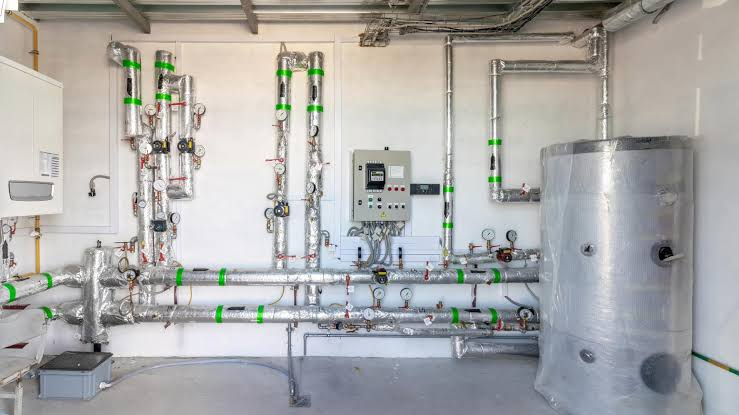
Domestic hot-water systems vary according to the building and the equipment installed. Common arrangements include combination boilers, hot-water cylinders and unvented storage systems. Each design has different components and operating requirements. Learners should understand the basic purpose of these systems without attempting repairs that require specialist training or authorisation.
Plumbing questions and answers free can help you recognise common heating and hot-water symptoms. For example, inconsistent water temperature may relate to a faulty valve, changing supply conditions or a problem with the heating equipment. Gas appliances and pressurised hot-water systems require particular care. In the UK, gas work that legally requires registration must be carried out by an appropriately qualified Gas Safe registered engineer.
What is a combination boiler?
A combination boiler, commonly called a combi boiler, provides central heating and heats domestic hot water on demand. A typical installation does not require a separate hot-water storage cylinder.
What is a thermostatic mixing valve?
A thermostatic mixing valve blends hot and cold water to maintain a controlled outlet temperature. When correctly selected and installed, it helps reduce the risk of scalding.
Why might a boiler repeatedly lose pressure?
Possible causes include water leaks, a faulty expansion vessel or a problem with the pressure-relief system. Repeated pressure loss should be investigated rather than continually corrected without identifying the cause.
Common Plumbing Problems and Safety Questions
Common plumbing problems include dripping taps, leaking joints, running toilets and inconsistent shower temperatures. Correct diagnosis starts with observing the symptoms and checking whether the fault affects one fixture or the entire property. If a leak develops, shutting off the relevant water supply where safe can limit damage. Water should also be kept away from electrical equipment, and professional assistance should be arranged when the problem is serious or difficult to identify.
The safety topics in plumbing questions and answers free are just as important as technical knowledge. Learners should understand backflow prevention, suitable drinking-water materials and safe working practices. Plumbing work must comply with the requirements applicable to the installation. Never use a naked flame to thaw frozen pipes, and do not attempt unauthorised work on gas appliances or specialist pressurised equipment.
What causes a dripping tap?
A worn washer, damaged seal, faulty cartridge or debris inside the tap mechanism may cause dripping. The appropriate repair depends on the tap design and the condition of its components.
What is backflow?
Backflow is the unwanted reversal of water flow that may allow contaminants to enter a clean-water supply. Suitable protection is important wherever the installation presents a contamination risk.
What should you do if a pipe starts leaking?
If it is safe, isolate the relevant water supply, contain the escaping water and protect electrical equipment from exposure. Arrange a suitable repair before returning the affected system to normal use.
How to Prepare for Plumbing Exams in the UK
Preparing for plumbing assessments involves more than remembering definitions. Learners need to understand tools, materials, installation methods, drainage arrangements, heating components and safe working practices. Reviewing mistakes after each practice session helps reveal gaps in knowledge. It is also useful to explain answers in your own words because doing so demonstrates understanding rather than simple memorisation.
Use plumbing questions and answers free alongside your course materials, supervised practical training and current UK guidance. The precise requirements depend on the qualification and type of work you intend to undertake. Build a revision routine that includes short quizzes, technical diagrams and practical examples. For specialist subjects such as gas installations or unvented hot-water systems, study the relevant training requirements and seek instruction from appropriately qualified professionals.
Conclusion
Learning plumbing fundamentals can help beginners, apprentices and homeowners understand water supply, drainage, pipework and common household faults. Regular practice develops familiarity with technical terms and makes it easier to recognise problems that require professional attention. Combining theory with practical instruction provides a stronger foundation than memorising answers alone.
These plumbing questions and answers free offer a useful starting point for revision and general learning. Continue testing your knowledge, consult current UK guidance and follow the requirements relevant to each installation. With consistent study and appropriate practical experience, you can build confidence in plumbing concepts and prepare more effectively for further training or assessments.
Frequently Asked Questions
Where can I find plumbing questions and answers free?
You can find free practice quizzes, educational websites and revision resources covering plumbing tools, pipework, drainage, heating and common faults.
Are free plumbing questions useful for beginners?
Yes. They introduce basic terminology, explain component functions and help beginners identify areas that need further study.
Can I use these questions to prepare for UK plumbing exams?
Yes. Use them for revision alongside your qualification syllabus, course materials, practical training and relevant UK guidance.
What topics should plumbing practice questions cover?
Useful topics include tools, pipe materials, water pressure, drainage, hot-water systems, troubleshooting and safe working practices.
Do plumbing quizzes replace practical training?
No. Quizzes assess theoretical knowledge, but practical training is essential for developing safe and competent plumbing skills.
You May Also Read: Cultural Crossword Clue