
Up for Debate Game: Rules, How to Play and Tips
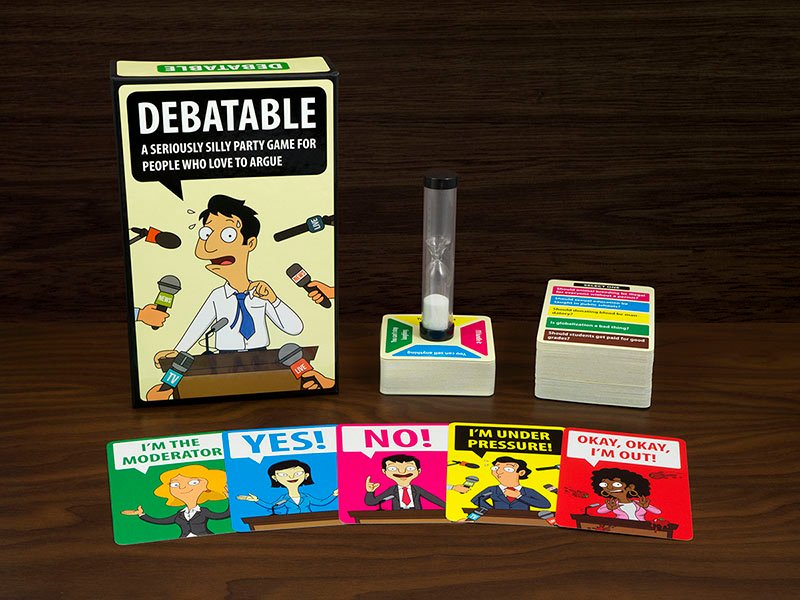
The Up for Debate Game is a lively party card game that challenges players to defend unusual opinions, construct convincing arguments and entertain everyone around the table. Rather than relying entirely on factual knowledge, players use creativity, humour and persuasion to make their arguments memorable. It is designed for social gatherings where friends or family members enjoy playful disagreements, unexpected ideas and friendly competition. The aim is to turn ordinary opinions into entertaining debates that keep everyone involved.
The Up for Debate Game is associated with the Paladone physical card game, although the same name is also used for an online multiplayer experience on Roblox. These are separate games with different rules and ways to play. This guide focuses mainly on the physical card game, explaining its general gameplay, useful strategies and suitability for different groups, before exploring how the Roblox version differs.
What Comes Inside the Up for Debate Game?
The Paladone Up for Debate card game is built around cards that provide the material for humorous arguments. Product descriptions commonly mention more than 100 item cards and 50 debate topic cards, giving players different combinations to work with. The exact contents and specifications should always be checked against the edition being purchased, as product listings and packaging can change over time.
Item cards and topic cards serve different purposes within the game. Topic cards introduce the subject of a debate, while item cards provide objects or ideas that can influence the arguments players make. Combining an unexpected item with an unusual topic can create amusing situations that reward quick thinking. This format makes the Up for Debate Game particularly appealing to players who enjoy improvisation rather than complicated rules or lengthy strategic planning.
Up for Debate Game Rules Explained
Understanding the rules before starting helps everyone enjoy the game without unnecessary interruptions. The physical card game centres on debating opinions and making arguments while following the instructions supplied with the particular edition. Players should read the official rules first, especially the instructions explaining how cards are distributed, how turns work and what conditions determine the winner.
The Up for Debate Game is often described as a party game where the quality of an argument is not necessarily determined by whether it is factually correct. Instead, entertaining explanations and persuasive delivery are part of the fun. However, players should not assume that every edition uses identical procedures. Check the included instructions for the precise card-playing sequence, any restrictions on arguments and the official winning condition before beginning a match.
How to Play the Up for Debate Game
Start by gathering the players around a table or another comfortable playing area. Make sure everyone can see the cards and hear the arguments clearly. Shuffle and distribute the cards according to the instructions supplied with your edition, then prepare the debate topic cards. Explain the objective before the first round begins so that new players understand how to participate, when to make an argument and how the winner is decided.
During play, concentrate on building an interesting case rather than worrying about finding the perfect answer. Imagine a debate about which household object would be most useful on a deserted island. One player might defend a kettle because it could help provide boiled water, while another might argue that a torch would be more valuable after dark. This creative approach captures the spirit of the Up for Debate Game without suggesting that the example is an official card or rule.
Best Tips and Strategies for Winning the Up for Debate Game
A strong argument usually begins with one clear point. Instead of listing several unrelated reasons, choose an idea that supports your position and explain why it matters. For example, if you must defend an unusual object, describe how it could solve a problem, save time or make an awkward situation easier. A focused explanation is often more memorable than a long speech filled with disconnected claims.
Confidence, humour and quick thinking can also make a difference. Listen carefully to the opposing argument and respond to something your opponent has actually said rather than repeating your original point. The Up for Debate Game is a social experience, so a clever comparison or an unexpected example may entertain the group more than a serious explanation. Above all, follow the official winning conditions and remember that friendly competition should never become a personal argument.
Up for Debate Game Topics and Funny Argument Ideas
Debate topics are most enjoyable when they encourage imagination without making anyone uncomfortable. Everyday objects, favourite foods, animals, fictional situations and imaginary inventions are excellent starting points. A simple question can produce completely different arguments depending on the players involved. For family gatherings, choose subjects that are easy to understand and allow younger participants to contribute ideas without needing specialist knowledge.
If your group permits additional topics, try questions such as whether a spoon is more useful than a fork, whether a dragon would make a better pet than a robot, or which fictional superpower would be most helpful in everyday life. These examples can inspire funny discussions before or after a round. When playing the Up for Debate Game, avoid topics that target a player’s personal circumstances, beliefs or insecurities. Keeping the atmosphere welcoming makes it easier for everyone to participate.
Up for Debate Card Game vs Roblox Version
Although they share a name, the physical Up for Debate card game and the Roblox experience are different products. The Paladone edition uses physical cards and is intended for in-person social play. It is suitable for people who want an activity for a party, family gathering or casual game night without needing a gaming device or an online connection.
The Roblox Up for Debate experience, by contrast, is an online multiplayer game built around player-versus-player debates. Players receive topics, argue their positions and may have an audience vote on the winner. Voice chat availability depends on the experience and Roblox account settings, while text interaction may vary. Anyone searching for the Up for Debate Game should check whether they want the physical card deck or the online experience before following instructions or looking for a place to play.
Is the Up for Debate Game Worth Playing?

The Up for Debate Game can be a good choice for groups that enjoy conversation, humour and spontaneous challenges. Its appeal comes from the opportunity to defend surprising opinions rather than simply answering factual questions. Players who like improvisation, storytelling and friendly competition may find it particularly entertaining. It can also provide an easy way to bring people together when the group wants an activity that does not require extensive preparation.
However, the game may not suit everyone. Players who prefer quiet, highly structured activities or detailed strategic decisions might enjoy a different type of card game. The experience also depends on the group’s willingness to participate, as hesitant players may need encouragement to contribute. Before purchasing the Up for Debate Game, check the recommended age, player requirements, included components and current price to decide whether it matches your group.
Where to Find the Up for Debate Game
The physical card game may be listed by games retailers, general merchandise shops and online sellers. Availability can differ between the UK and other markets, so check current listings rather than assuming a particular shop has it in stock. Search for the full product name and examine the listing carefully to distinguish the Paladone card game from unrelated debate games and digital experiences.
Before placing an order, review the product photographs, description, age recommendation and stated contents. Check the seller’s delivery charges, returns policy and customer feedback where available. If you are looking for the Roblox version, use the official Roblox platform and verify the game’s identity before joining. These simple checks can help you find the version you want without confusing a physical card deck with an online multiplayer game.
Conclusion
The Up for Debate Game offers a playful way to bring friends and family together through creative arguments, surprising opinions and good-natured competition. Its card-based format encourages quick thinking and humorous explanations, making it an appealing option for people who enjoy social games. Learning the rules beforehand, choosing suitable topics and giving every player a chance to speak can help make each round more enjoyable.
Before playing, confirm the instructions for your particular edition and remember that the physical card game is different from the Roblox experience. With a little imagination, respectful debate and a willingness to think outside the box, players can turn ordinary questions into memorable conversations. Whether you are planning a game night or simply researching the product, understanding how it works will help you decide if it is right for your group.
Frequently Asked Questions
What is the Up for Debate Game?
The Up for Debate Game is a party card game that challenges players to defend opinions and make entertaining arguments using creativity, humour and persuasion.
How many players can play the Up for Debate Game?
The physical game is commonly advertised for three or more players, with some descriptions allowing a large group. Check the packaging for your edition’s recommended player count.
Is the Up for Debate Game available on Roblox?
Yes, a separate Up for Debate experience is available on Roblox. It features online debates and differs from the physical Paladone card game.
Is the Up for Debate Game suitable for children?
The physical card game is commonly recommended for ages eight and above, but check the current packaging for the age guidance and decide whether the topics suit your group.
Do you need to be good at debating to enjoy the game?
No. Creativity, humour and a willingness to participate are more important than formal debating experience. Beginners can enjoy the game by making simple, imaginative arguments.
You May Also Read: Plumbing Questions and Answers Free