Warehouse Control System: What It Is, How It Works, and Benefits
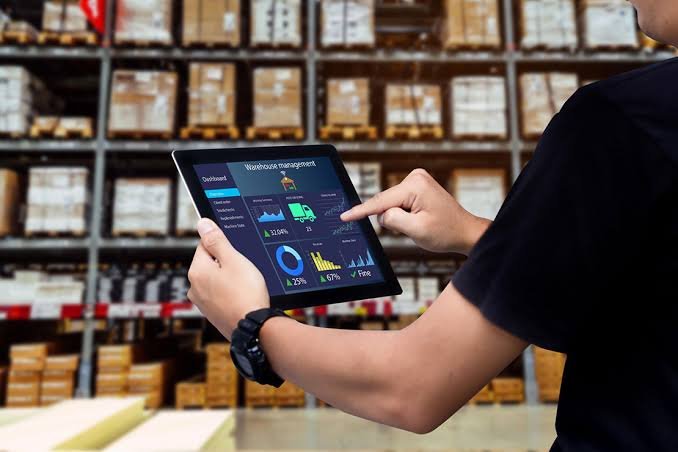
Modern supply chains are changing rapidly as businesses focus on speed, accuracy, and automation to meet growing customer expectations. Warehouses are no longer simple storage facilities; they have become highly connected environments where software, robotics, and automated equipment work together. A warehouse control system has become an important technology for managing these complex operations by controlling automated processes and improving the movement of goods throughout a facility.
A warehouse control system helps businesses create a smoother connection between warehouse software and physical equipment. It acts as a bridge between systems that plan warehouse activities and machines that perform tasks such as sorting, transporting, and storing products. With real-time monitoring and intelligent decision-making, this technology allows warehouses to operate more efficiently while reducing delays, improving accuracy, and supporting future automation requirements.
What Is a Warehouse Control System?
A warehouse control system is a specialised software platform designed to control and coordinate automated material handling equipment inside warehouses and distribution centres. It manages the real-time activities of machines and ensures that different automated systems work together effectively. Unlike traditional warehouse processes that depend heavily on manual management, WCS technology provides instant communication between software applications and warehouse machinery.
The main purpose of a warehouse control system is to improve the execution of warehouse operations. It receives instructions from higher-level systems such as warehouse management systems and converts those instructions into commands that automated equipment can understand. This allows conveyors, robots, sorters, and storage systems to complete tasks faster and with greater precision, creating a more organised and productive warehouse environment.
How Does a Warehouse Control System Work?
A warehouse control system works by managing the flow of information between warehouse software and automated equipment. When an order or movement request is created, the system analyses the available resources and determines the best way to complete the task. It then sends instructions to the appropriate machines, ensuring products move through the warehouse using the most efficient route.
One of the most important functions of a warehouse control system is real-time decision-making. The system constantly monitors equipment performance, detects possible issues, and adjusts workflows when necessary. For example, if a conveyor line experiences a problem, the WCS can redirect tasks to another available route. This ability helps reduce downtime and keeps warehouse operations running smoothly.
Key Features of Warehouse Control System
A modern warehouse control system includes several features that help businesses manage automated operations effectively. One major feature is equipment coordination, which allows different machines within a warehouse to communicate and operate together. This prevents conflicts between automated systems and improves the overall movement of goods.
Another important feature is real-time monitoring and reporting. A warehouse control system provides valuable information about equipment performance, workflow speed, and operational problems. Managers can use this data to identify areas for improvement and make better decisions. Integration with other platforms, including warehouse management systems, enterprise resource planning software, and programmable logic controllers, also makes WCS a powerful automation solution.
Warehouse Control System vs WMS vs WES
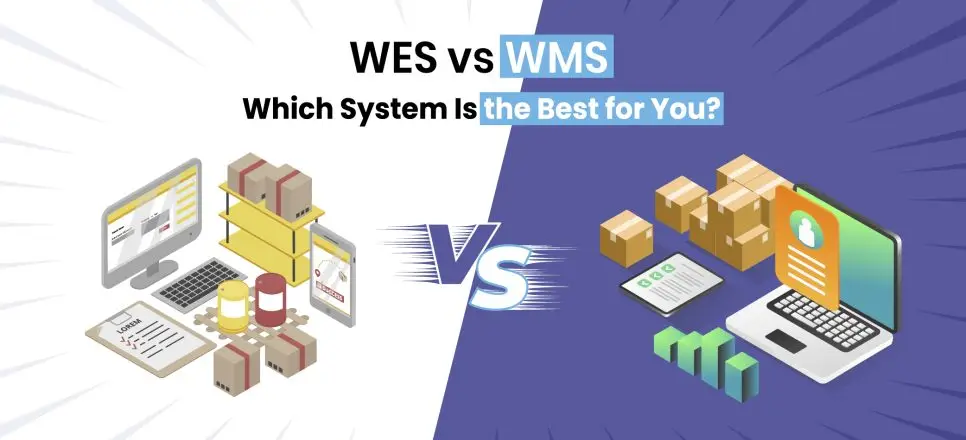
Many businesses often confuse warehouse control system technology with warehouse management systems and warehouse execution systems. Although these solutions work together, they perform different roles within warehouse operations. Understanding these differences helps companies select the right technology for their automation strategy.
A warehouse management system mainly focuses on inventory control, order management, stock tracking, and warehouse planning. A warehouse control system focuses on the physical execution of automated tasks by communicating directly with machines. A warehouse execution system combines planning and execution functions by connecting business processes with real-time warehouse activities. Together, these technologies create a complete warehouse automation ecosystem.
Benefits of Using a Warehouse Control System
Implementing a warehouse control system provides many advantages for businesses that want to improve productivity and reduce operational challenges. One of the biggest benefits is increased efficiency because the system ensures that automated equipment performs tasks quickly and accurately. By reducing unnecessary movement and improving workflow organisation, businesses can process more orders in less time.
Another major advantage of a warehouse control system is improved accuracy. Manual warehouse operations can often lead to mistakes, delays, and inconsistent processes. Automation supported by WCS technology reduces human errors by providing precise instructions to machines. It also improves visibility by giving managers access to real-time operational information, allowing them to identify problems and optimise warehouse performance.
Equipment Managed by Warehouse Control System
A warehouse control system can manage a wide variety of automated equipment used in modern warehouses and distribution centres. Conveyors are one of the most common systems controlled by WCS because they require constant coordination to move products between different warehouse areas. The system ensures that items are transported efficiently without creating unnecessary congestion.
Other equipment controlled by a warehouse control system includes automated storage and retrieval systems, robotic picking solutions, automated guided vehicles, autonomous mobile robots, and sorting machines. By connecting these technologies into one central control environment, WCS allows warehouses to achieve higher levels of automation and operational reliability.
How to Choose the Right Warehouse Control System
Choosing the right warehouse control system requires careful planning and understanding of business requirements. Companies should consider their current warehouse setup, automation goals, and future expansion plans before selecting a solution. A suitable WCS should be compatible with existing equipment and able to integrate with other warehouse software platforms.
Businesses should also evaluate factors such as scalability, reporting capabilities, supplier support, and system flexibility. A warehouse control system should not only solve current operational challenges but also support future growth. As warehouse automation continues to develop, choosing a flexible and reliable solution can provide long-term benefits and improve overall supply chain performance.
Future of Warehouse Control System Technology
The future of warehouse control system technology is closely connected with artificial intelligence, robotics, and smart warehouse solutions. As businesses continue adopting advanced automation, WCS platforms are becoming more intelligent and capable of making faster decisions. Artificial intelligence can help analyse warehouse data, predict equipment issues, and improve workflow optimisation.
Cloud-based warehouse solutions and connected IoT devices are also influencing the development of modern WCS platforms. These technologies allow businesses to monitor warehouse operations remotely and improve system flexibility. As customer expectations continue to increase, warehouse control system solutions will remain an essential part of building efficient, automated, and competitive supply chains.
Conclusion
A warehouse control system plays a critical role in modern warehouse automation by connecting software applications with physical equipment. It helps businesses improve efficiency, reduce errors, increase visibility, and manage complex warehouse processes more effectively. With real-time control and intelligent automation, WCS technology allows warehouses to achieve higher levels of performance.
As industries continue moving towards smarter supply chains, investing in a reliable warehouse control system can provide significant advantages. Whether managing conveyors, robotics, or automated storage solutions, WCS provides the control and flexibility required for future-ready warehouse operations.
FAQs
What is a warehouse control system?
A warehouse control system is software that manages automated warehouse equipment and controls real-time operational activities.
How does a warehouse control system improve warehouse efficiency?
It improves efficiency by optimising workflows, coordinating equipment, and reducing delays in warehouse processes.
What is the difference between WCS and WMS?
WCS controls automated equipment, while WMS manages inventory, orders, and warehouse planning activities.
Can a warehouse control system work with robotics?
Yes, WCS can integrate with robotic systems, conveyors, sorters, and other automated warehouse technologies.
Why do businesses use warehouse control systems?
Businesses use WCS solutions to improve automation, increase accuracy, reduce costs, and create more efficient warehouse operations.
You May Also Read: Neil Burgess