Call Reporting Software: Complete Guide to Features, Benefits, Tools and Business Uses
Call reporting software has become an essential technology solution for businesses that want to understand and improve their communication performance. It collects information from business phone systems, processes large amounts of call data, and converts it into useful reports that help organisations make better decisions. Instead of viewing phone activity as simple records, companies can analyse conversations, response times, customer interactions, and team performance to improve their overall operations.
Modern businesses rely heavily on phone communication for sales, customer support, appointments, and relationship management. Without proper analysis, valuable information from these conversations can easily be overlooked. Call reporting software allows companies to identify communication patterns, discover improvement opportunities, and create more efficient processes. Whether a business uses VoIP, cloud calling, or traditional phone systems, reporting tools provide important visibility into how calls are managed.
What Is Call Reporting Software?
Call reporting software is a specialised platform that tracks and analyses telephone activity to provide businesses with detailed communication insights. The system collects information from phone networks, including call duration, timestamps, caller details, extensions, call direction, and outcomes. This data is then organised into reports and dashboards that make it easier for managers to understand how their communication systems are performing.
The main purpose of call reporting software is to transform raw phone records into meaningful business intelligence. Instead of only knowing how many calls were made, organisations can understand which teams handle the most conversations, when customers usually call, how long interactions last, and where improvements may be required. These insights help businesses create better strategies for customer service and internal communication.
Many companies use this technology alongside VoIP platforms, PBX systems, and customer relationship management software. By combining phone data with other business information, organisations can gain a complete picture of their customer interactions and operational performance.
How Call Reporting Software Works
Call reporting software works by collecting data generated by a company’s communication systems. Every business phone system creates records containing information about calls, often known as Call Detail Records or CDRs. The reporting platform gathers these records and converts them into understandable reports, charts, and performance summaries.
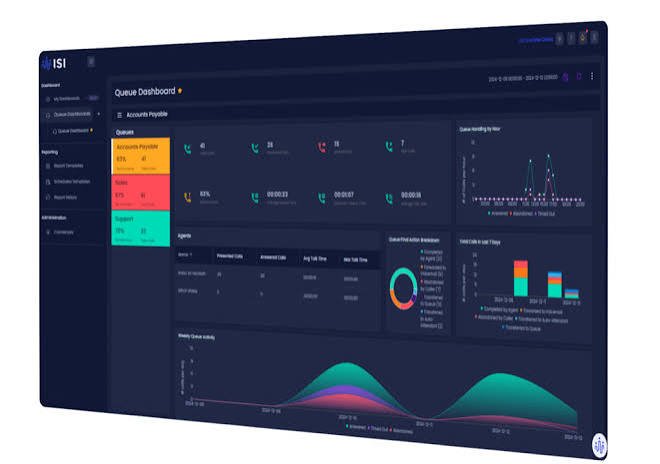
Once the information is collected, businesses can analyse different areas of their communication activity. Managers can review incoming and outgoing calls, identify busy periods, track missed opportunities, and measure employee performance. The software presents this information through dashboards that make complex data easier to understand.
Advanced solutions can also integrate with other business applications. For example, call reporting software can connect with CRM platforms, allowing sales and support teams to view customer information alongside call history. This creates a more complete workflow and helps employees provide better service during customer interactions.
Key Features of Call Reporting Software
One of the most valuable features of call reporting software is detailed call analytics. Businesses can monitor important metrics such as total call volume, average call duration, waiting times, missed calls, and successful connections. These measurements help organisations understand how effectively their communication systems are operating.
Another important feature is real-time reporting. Live dashboards allow managers to see current phone activity and respond quickly to problems. For example, a company can identify unusually high call volumes and adjust staffing levels to reduce customer waiting times. Real-time insights help businesses maintain smoother operations.
Many platforms also include team and agent performance tracking. Managers can review employee availability, talk time, response speed, and call handling patterns. These reports are useful for identifying training opportunities and recognising strong performance. By understanding how teams communicate, businesses can improve productivity and customer satisfaction.
Benefits of Using Call Reporting Software for Businesses
One of the biggest benefits of call reporting software is improved customer service. Businesses can analyse customer interactions and identify areas where service quality can be improved. By understanding response times, missed calls, and communication challenges, companies can create better experiences for their customers.
Sales teams can also gain significant advantages from detailed call insights. Managers can track lead conversations, measure sales activity, and identify successful communication methods. This information helps sales professionals improve their approach and focus on strategies that produce better results.
Another important benefit is improved decision-making. Business leaders can use accurate communication data to make informed choices about staffing, technology investments, and customer service strategies. Instead of relying on assumptions, companies can use real information to guide their decisions and improve efficiency.
Types of Call Reporting Software Solutions
Cloud-based call reporting software is becoming increasingly popular because it offers flexibility, accessibility, and easy management. These platforms allow businesses to access reports from anywhere with an internet connection. They are especially useful for companies with remote employees or multiple office locations.
VoIP call reporting solutions are designed for organisations using internet-based phone systems. They provide advanced analytics features while working alongside modern communication platforms. Businesses can monitor calls, track performance, and access detailed reports without relying on traditional phone infrastructure.
Traditional PBX reporting systems are also used by many larger organisations. These solutions connect with existing telephone networks and provide detailed information about internal and external communication. Choosing the right type of reporting software depends on business size, communication needs, and existing technology.
Choosing the Right Call Reporting Software
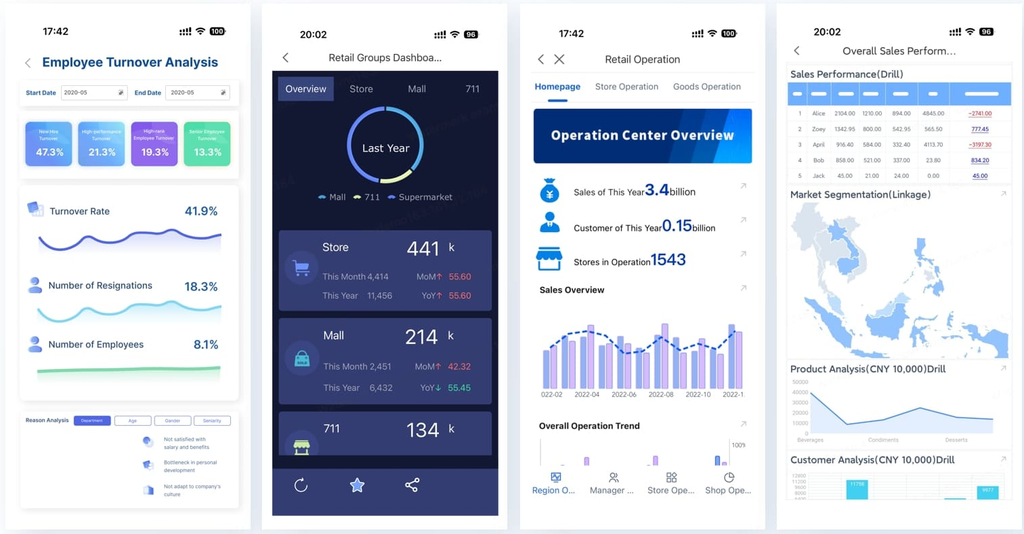
Selecting the right call reporting software requires careful consideration of business requirements. Companies should first identify the information they need to track and the goals they want to achieve. Some organisations may focus on customer service improvements, while others may prioritise sales performance or operational efficiency.
Important factors to consider include reporting features, integration options, ease of use, scalability, and security. A good platform should provide accurate information while remaining simple enough for employees and managers to use effectively. Businesses should also consider whether the software can grow alongside their future needs.
Popular solutions often include platforms such as cloud communication systems, contact centre tools, and specialised analytics providers. Comparing different options helps businesses find a solution that matches their communication environment and budget.
Implementing Call Reporting Software Successfully
Successful implementation of call reporting software begins with proper planning. Businesses should understand their current communication challenges and define clear objectives before selecting a platform. This ensures that the chosen solution provides useful insights rather than unnecessary information.
Integration is another important part of implementation. The software should connect correctly with existing phone systems, CRM platforms, and business applications. Accurate integration ensures that reports contain reliable information and employees can access the data they need.
Training is also essential for achieving the best results. Managers and employees should understand how to interpret reports and apply insights to their daily work. When teams use communication data effectively, businesses can improve performance and create stronger customer relationships.
Best Practices for Using Call Reporting Software
Businesses should focus on tracking meaningful metrics rather than collecting unnecessary information. Important measurements may include call volume, response times, customer satisfaction, and employee performance. Choosing the right data helps organisations make clearer decisions and avoid confusion.
Protecting communication data should also be a priority. Since call records may contain sensitive customer information, businesses need secure systems with proper access controls. Following privacy standards helps protect both customers and organisations.
Regularly reviewing reports allows businesses to continue improving their communication strategies. Call reporting software provides the most value when companies consistently analyse results and make adjustments based on real performance data.
Conclusion
Call reporting software provides businesses with valuable insights into their communication activities. By tracking calls, analysing performance, and creating detailed reports, these platforms help organisations improve customer service, increase productivity, and make smarter decisions.
As business communication continues to evolve, companies need reliable ways to understand their phone interactions. Whether using cloud systems, VoIP platforms, or traditional phone networks, call reporting software offers the visibility required to improve efficiency and deliver better customer experiences.
FAQs
What is call reporting software used for?
Call reporting software is used to track, analyse, and improve business phone communication through detailed reports.
How does call reporting software improve customer service?
It helps businesses identify communication issues, reduce missed calls, and improve response quality.
What data does call reporting software collect?
It collects information such as call duration, timestamps, caller details, call outcomes, and performance metrics.
Can call reporting software integrate with CRM platforms?
Yes, many solutions connect with CRM systems to combine customer information with call activity.
Is call reporting software useful for small businesses?
Yes, small businesses can use it to understand customer calls, improve efficiency, and make better decisions.
You May Also Read: Dela Gothic One