AWS Firehose: What It Is, How It Works, Features & Pricing (2026)
Modern businesses generate enormous volumes of information every second through websites, mobile applications, connected devices and digital transactions. Managing this continuous flow of information requires reliable cloud technology that can process and deliver data efficiently. AWS Firehose provides a fully managed solution that simplifies streaming data delivery without requiring complicated infrastructure. Organisations can collect information from multiple sources and transfer it to analytics platforms, storage systems and monitoring applications for better business intelligence.
As cloud computing continues to develop in 2026, organisations across the United Kingdom increasingly depend on efficient data processing services. Amazon Data Firehose helps businesses build scalable data pipelines while reducing operational complexity and infrastructure management. Whether an organisation needs to analyse customer behaviour, monitor application performance or collect security logs, understanding how this service operates can help developers and IT teams design reliable cloud-based data solutions.
What Is AWS Firehose?
AWS Firehose is a fully managed, serverless streaming data delivery service developed by Amazon Web Services. Previously known as Amazon Kinesis Data Firehose, the service was renamed Amazon Data Firehose in February 2024. It enables organisations to capture, transform and deliver streaming information to supported destinations such as Amazon S3, Amazon Redshift and Amazon OpenSearch Service. Its primary purpose is to simplify data ingestion while eliminating the need to manage underlying servers.
Unlike traditional data integration systems that require extensive configuration and maintenance, Amazon Data Firehose automatically manages infrastructure and adjusts capacity to accommodate changing workloads. Businesses can use the service to collect application logs, website activity, financial transactions and operational metrics. By delivering information continuously to supported destinations, it helps organisations maintain accessible datasets for reporting, monitoring and analytical processing without developing complicated custom delivery applications.
How Does AWS Firehose Work?
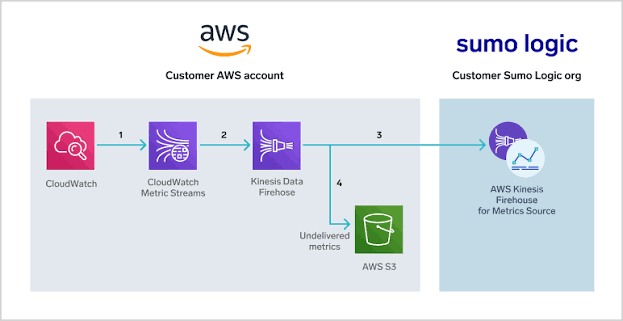
AWS Firehose operates through a managed delivery pipeline that receives streaming records from supported sources and transfers them to configured destinations. Applications can submit records directly through the Firehose API, while other integrations connect through services such as Amazon Kinesis Data Streams. Incoming information may be buffered before delivery, depending on the selected destination and configuration. This approach supports efficient processing while reducing the operational effort associated with maintaining streaming infrastructure.
The service also supports optional data transformations through AWS Lambda, allowing developers to modify incoming records before delivery. For example, organisations can clean application logs, restructure JSON records or enrich information with additional attributes. Supported destinations may also offer data format conversion into formats such as Apache Parquet or ORC. These capabilities make Amazon Data Firehose useful for building analytics pipelines that require consistent and structured information.
Key Features and Benefits of AWS Firehose
One of the most important benefits of AWS Firehose is its serverless architecture, which removes the need to provision or maintain dedicated delivery servers. The service automatically manages infrastructure capacity and supports continuous streaming workloads. Organisations can also configure encryption, buffering and delivery settings according to their requirements. This flexibility allows businesses to focus on extracting value from information rather than spending resources maintaining complicated data transfer systems.
Another advantage is its integration with other AWS services and supported third-party platforms. Businesses can send information to storage systems, search services and monitoring applications without building every integration themselves. Automatic retry mechanisms help manage temporary delivery failures, while monitoring through Amazon CloudWatch provides visibility into pipeline performance. Together, these features support dependable data delivery and make the service attractive to organisations modernising their cloud infrastructure.
AWS Firehose Architecture, Sources and Destinations
AWS Firehose architecture centres on a delivery stream that connects incoming data sources with supported destinations. Sources can include applications using the Direct PUT API, Amazon Kinesis Data Streams, Amazon MSK and selected AWS logging services. The delivery stream manages buffering, optional transformations and data transfer operations. This architecture allows developers to establish managed pipelines without implementing complex custom consumers for every supported source and destination combination.
Amazon Data Firehose supports several destinations designed for different business requirements. Amazon S3 is commonly used for durable storage and data lake development, while Amazon Redshift supports analytical warehousing. Amazon OpenSearch Service helps organisations search and analyse operational information. Supported third-party destinations include platforms such as Splunk and Snowflake. Choosing the correct destination depends on factors including analytical requirements, storage costs, data formats and integration capabilities.
AWS Firehose Pricing and Cost Considerations in 2026
AWS Firehose pricing is primarily usage-based, meaning organisations pay according to the services and processing features they consume. Charges vary depending on the ingestion method, destination, AWS Region and amount of data processed. Certain configurations may involve minimum billable record sizes or additional processing charges. Businesses should therefore review the current official pricing documentation rather than assuming that every delivery stream follows an identical cost structure.
For UK organisations, selecting an appropriate AWS Region can influence both service availability and operating expenses. Additional costs may arise from AWS Lambda transformations, Amazon S3 storage, data format conversion and other connected services. Businesses can manage expenditure by monitoring ingestion volumes, selecting efficient data formats and avoiding unnecessary processing. The AWS Pricing Calculator provides a useful starting point for estimating monthly costs before deploying production pipelines.
AWS Firehose vs Kinesis Data Streams: Key Differences
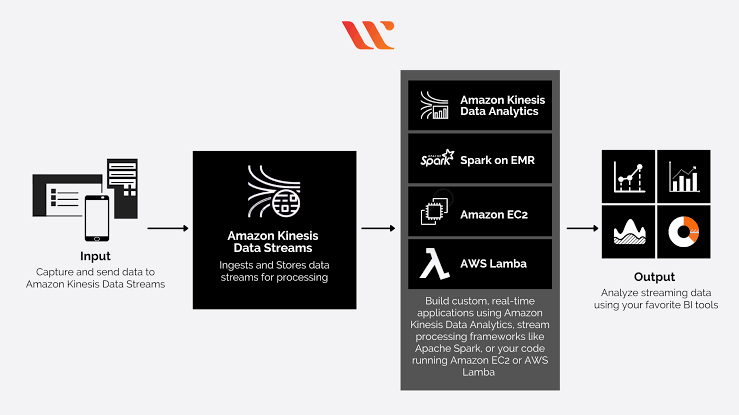
AWS Firehose and Amazon Kinesis Data Streams are related AWS services, but they address different streaming requirements. Firehose focuses on managed data delivery to supported destinations, reducing the amount of custom application development required. Kinesis Data Streams provides a streaming platform where developers can build consumers that process records independently. This distinction matters when organisations need greater control over how information is accessed, processed and retained.
Amazon Kinesis Data Streams supports configurable record retention and replay, making it suitable for applications requiring multiple consumers or repeated processing. Amazon Data Firehose does not provide the same general-purpose record-reading interface and instead concentrates on delivering records to configured destinations. Businesses should choose between these services according to their processing requirements, acceptable latency, development resources and need for customised streaming applications.
How to Set Up AWS Firehose
Setting up AWS Firehose begins by signing in to the AWS Management Console and opening the Amazon Data Firehose service. Developers can create a new Firehose stream, select a supported source and configure a destination such as Amazon S3. The setup process also requires suitable IAM permissions so the service can access its destination securely. Additional settings determine buffering behaviour, data transformations and optional backup arrangements.
After configuring the delivery stream, administrators should verify that incoming records reach the intended destination correctly. Testing with sample data helps identify permission problems, transformation errors and unexpected delivery behaviour before production deployment. Organisations should also configure CloudWatch monitoring to track delivery success and operational issues. Regularly reviewing stream settings, data volumes and destination performance helps maintain efficient operation as business requirements and workloads change.
AWS Firehose Security and Best Practices
Security is an important consideration when transferring information between cloud applications and storage services. AWS Firehose supports integration with AWS Identity and Access Management, allowing administrators to control permissions for data sources and destinations. Encryption options help protect information during transmission and storage. Organisations handling confidential business records should also review destination security settings, network configurations and applicable data protection obligations before enabling production delivery streams.
Effective management requires more than enabling security controls. Businesses should monitor failed deliveries, establish suitable backup arrangements and review IAM policies regularly. Selecting appropriate buffering settings can help balance delivery latency and efficiency, while structured data formats may improve downstream analytical performance. UK organisations processing personal information should also assess their responsibilities under UK GDPR and ensure that their data handling practices meet relevant regulatory requirements.
Common AWS Firehose Use Cases for Businesses
AWS Firehose is widely applicable to operational monitoring, application analytics and centralised log collection. For example, an online retailer can stream website activity into Amazon S3 for subsequent analysis of customer behaviour and purchasing trends. Technology companies can also collect application logs and deliver them to search or monitoring platforms. These use cases help organisations consolidate information from distributed systems and improve visibility into business operations.
Another important application involves connected devices and cloud-based analytics environments. Organisations receiving continuous telemetry can use Amazon Data Firehose to deliver information into storage systems for further processing. Financial services, telecommunications and digital platforms may also benefit from managed log delivery and operational reporting. However, applications requiring extremely low-latency processing or complex event-driven decisions may need additional streaming technologies alongside the delivery service.
Conclusion
AWS Firehose provides a practical solution for organisations seeking to simplify streaming data delivery and reduce infrastructure management. Its serverless architecture, supported integrations and optional transformation capabilities make it valuable for cloud analytics, monitoring and data lake development. By understanding how the service processes information, businesses can create dependable delivery pipelines that support reporting, operational analysis and long-term data management without maintaining extensive custom infrastructure.
For UK businesses exploring cloud-based data solutions in 2026, Amazon Data Firehose offers flexibility across a variety of workloads and destinations. However, successful implementation requires careful consideration of pricing, security, latency and integration requirements. Comparing the service with Kinesis Data Streams and following appropriate configuration practices can help organisations choose an effective architecture that balances performance, reliability and operational costs.
Frequently Asked Questions
What is AWS Firehose used for?
It collects, transforms and delivers streaming data to supported storage, analytics and monitoring services.
Is AWS Firehose a serverless service?
Yes, AWS manages the underlying infrastructure and automatically handles scaling.
How much does AWS Firehose cost?
Pricing depends on data volume, ingestion method, destination, AWS Region and optional processing features.
What is the difference between Firehose and Kinesis Data Streams?
Firehose focuses on managed data delivery, while Kinesis Data Streams supports custom streaming consumers and record replay.
Can AWS Firehose send data to Amazon S3?
Yes, Amazon S3 is a supported destination commonly used for storing streaming data.
You May Also Read: Bankok Map