Classification Keys Year 4: Worksheets, Examples and KS2 Science Activities
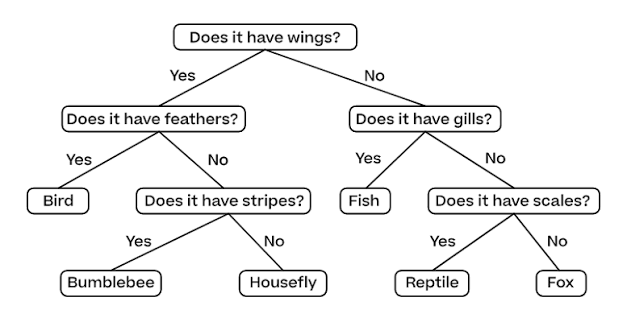
Classification keys Year 4 help children discover how scientists identify, compare and organise living things using observable characteristics. Through simple questions and practical investigations, pupils learn to recognise similarities and differences between animals and plants. These activities introduce important scientific skills, including careful observation, logical thinking and problem-solving, while making the natural world more interesting and easier to understand.
In the UK primary science curriculum, classification supports children’s understanding of living things and their habitats. Classification keys Year 4 activities encourage pupils to examine features such as feathers, fur, wings, legs, leaves and flowers. By using worksheets, classroom discussions and outdoor investigations, children can practise identifying organisms, explaining their decisions and developing the scientific vocabulary they need for future learning.
What Are Classification Keys in Year 4 Science?
A classification key is a scientific tool that helps identify an organism or object by following a sequence of questions about its characteristics. Each answer leads to another question or a possible identification. For example, a child investigating an animal might begin by asking whether it has feathers, then use the answer to decide which question to consider next.
Classification keys Year 4 often use yes-or-no questions because they are straightforward for primary school pupils to follow. A key offering two alternative choices at each stage is known as a dichotomous key. Children can use these keys to investigate animals, plants and familiar objects while learning how scientists organise information into meaningful groups.
Important vocabulary includes classification, characteristics, organisms, vertebrates and invertebrates. Vertebrates have backbones, whereas invertebrates do not. Understanding these terms helps pupils describe what they observe and explain why a particular organism belongs to a group. By practising regularly, children become more confident using evidence rather than relying on guesses.
How to Use Classification Keys Step by Step
Using a classification key begins with careful observation. Pupils should examine the organism or picture, read the first question and choose the answer that accurately describes its visible features. They then follow the corresponding instruction to reach the next question or identification. Following every step in order helps prevent mistakes and makes the process easier to understand.
Classification keys Year 4 encourage children to make decisions based on evidence. If a question asks whether an animal has six legs, pupils should count its legs rather than assume the answer. They should continue through the key until they reach an identification, then check whether the result matches the characteristics they originally observed.
Teachers can introduce this process using familiar animal pictures before progressing to more challenging examples. Pupils may work independently, compare answers with classmates or explain their reasoning to the class. These approaches help children understand that a classification key is a logical sequence of decisions, not simply a list of animal names to memorise.
Classification Keys Year 4 Examples for Animals and Plants
Animals provide excellent examples because they display a wide variety of observable characteristics. Pupils can compare mammals, birds, fish, amphibians and reptiles by examining features such as feathers, fur, fins and scales. A classification key might begin by asking whether an animal has feathers, helping children identify a bird before moving on to other possible groups.
Classification keys Year 4 can also help pupils distinguish between different invertebrates. For example, insects generally have six legs, while adult spiders have eight. Children can investigate other characteristics, such as the number of body sections, the presence of antennae and the shape of the body. These observations introduce useful differences without requiring pupils to memorise complicated scientific definitions.
Plants can be classified through visible characteristics, including leaf shape, flower colour, stem structure and whether flowers are present. Children might compare leaves collected from the ground or use photographs of familiar garden plants. The important principle is to select characteristics that can be observed clearly and used consistently throughout the classification process.
Classification Keys Year 4 Worksheets and Printable Activities
Worksheets give children opportunities to practise identifying organisms independently and reviewing what they have learnt during lessons. Useful resources include animal identification charts, incomplete classification keys, matching exercises and activities in which pupils select the correct answer at each stage. Clear pictures and age-appropriate instructions can make these exercises accessible to different learning abilities.
Classification keys Year 4 worksheets can range from simple exercises to more demanding investigations. Beginners might classify a small selection of familiar animals using two or three questions, while more confident pupils could complete missing branches or create a key from scratch. Printable answer sheets can help teachers and parents identify misunderstandings and provide additional support where necessary.
When selecting resources, look for worksheets that encourage children to explain their decisions rather than simply circle an answer. Educational websites, school science materials and teacher-created activities can all be useful. Combining written exercises with practical examples is particularly effective because children can connect the questions on a page with characteristics they can observe in real life.
Fun KS2 Science Activities for Learning Classification Keys
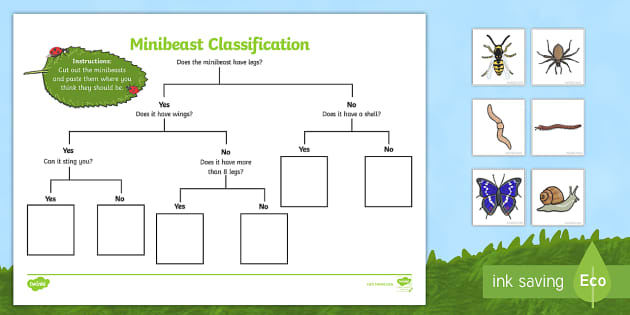
Practical activities can transform classification into an enjoyable scientific challenge. Teachers can prepare cards featuring different animals and ask pupils to sort them according to visible features. Children might first group animals by the presence of wings, then reorganise them according to their legs, body coverings or other characteristics. Discussing alternative groupings shows that classification depends on the purpose and features being investigated.
Classification keys Year 4 games can include a mystery-animal challenge. One pupil chooses an animal while classmates ask or answer structured yes-or-no questions to narrow down the possibilities. Another activity involves exchanging homemade keys with a partner, who must use the questions to identify every animal correctly. If the key causes confusion, pupils can improve the wording and test it again.
Outdoor investigations offer another valuable opportunity to explore classification. Under appropriate adult supervision, children can observe leaves, flowers and small invertebrates without disturbing wildlife. They can record visible features, take photographs where suitable and create simple identification keys from their observations. These experiences encourage curiosity, teamwork and careful scientific thinking while connecting classroom learning with the environment.
How to Create a Classification Key in Year 4
Creating a classification key begins with selecting a manageable collection of organisms or objects. Pupils could choose six animal pictures, several different leaves or a group of familiar classroom items. They should examine the collection and identify characteristics that separate the items into smaller groups. Features should be clear enough for another person to recognise without needing specialist knowledge.
Classification keys Year 4 should use questions with two distinct alternatives when pupils are creating a simple dichotomous key. For example, a key for animal pictures might begin with, “Does the animal have feathers?” Each answer leads to another question or an identification. Pupils continue until every item can be identified through a clear sequence of choices.
Testing is an essential part of the activity. Children should exchange their keys with classmates and check whether someone else can follow the instructions successfully. If a question is vague, a characteristic is difficult to observe or an animal leads to the wrong result, the key needs revision. This process helps pupils recognise that accurate scientific tools require clear language, logical organisation and careful checking.
Common Classification Key Mistakes and How to Avoid Them
One common mistake is asking questions that depend on personal opinions rather than observable evidence. For instance, asking whether an animal is attractive or large can produce inconsistent answers. A stronger question focuses on a recognisable feature, such as whether the animal has feathers, six legs or a shell. Clear characteristics make the identification process more reliable.
Classification keys Year 4 should also avoid confusing instructions and missing steps. Pupils need to ensure that each answer leads to the correct next question or identification. They should test their keys with several examples rather than assuming the first version is accurate. Reading questions aloud can help reveal unclear wording, while comparing answers with a partner provides useful feedback.
Another difficulty is assuming that one characteristic always identifies an organism conclusively. Different animals can share similar features, so several questions may be necessary. Teachers can remind pupils to examine the whole organism and follow the complete key. Encouraging children to correct errors helps them develop confidence and understand that reviewing evidence is a normal part of scientific investigation.
Benefits of Classification Keys for Year 4 Pupils
Learning classification develops observation, comparison and reasoning skills that are useful throughout primary science. Children practise noticing small details, identifying patterns and explaining decisions with evidence. These abilities also support other classroom activities, including investigating materials, recording results and solving problems. Classification offers a practical way to introduce scientific thinking through familiar and engaging examples.
Classification keys Year 4 also build understanding of scientific vocabulary and the variety of living things. As pupils compare organisms, they learn to describe characteristics accurately and recognise differences between major animal groups. Collaborative tasks encourage children to discuss ideas, listen to classmates and explain why particular answers are appropriate. This strengthens both communication skills and scientific understanding.
Parents can support learning at home by encouraging children to classify everyday objects, garden plants or animal pictures. Simple questions such as whether an object has wheels or whether a leaf has a smooth edge can introduce the same logical process. These informal activities reinforce classroom learning and show that classification is a useful way to organise information in everyday life.
Conclusion
Classification keys Year 4 introduce children to an important scientific method for identifying and grouping living things. By answering clear questions, examining observable characteristics and following logical steps, pupils learn to investigate animals and plants with greater accuracy. Worksheets, classroom games and outdoor activities provide varied opportunities to practise these skills.
With regular practice, children can become confident using existing classification keys and designing their own. The most effective activities encourage careful observation, clear questions and evidence-based decisions. By making classification an enjoyable part of KS2 science, teachers and parents can help pupils build knowledge, curiosity and problem-solving skills that will support their future learning.
Frequently Asked Questions
What is a classification key in Year 4 science?
A classification key is a sequence of questions that helps children identify and group organisms by their characteristics.
How do children use classification keys?
They observe an organism, answer questions about its features and follow the instructions until they reach an identification.
What are examples of animal classification keys?
Examples include keys for identifying birds, mammals, reptiles, insects, spiders and other familiar animals.
Where can I find classification keys Year 4 worksheets?
Teachers and parents can explore educational websites, school resources and printable KS2 science activities.
How can pupils create their own classification key?
Pupils choose a collection, identify visible differences and write clear questions that lead to the correct identification.
You May Also Read: Translate English to Welsh Words