Whats a Subagent? Meaning, Examples and Key Differences

Understanding how responsibilities are shared between professionals, businesses and technology systems is important in today’s interconnected world. If you have ever wondered whats a subagent, the simplest explanation is someone appointed by an existing agent to perform specific duties. Subagents operate across various industries, including commercial business, property, construction, insurance and artificial intelligence, helping organisations manage responsibilities through structured delegation.
Although the concept may appear complicated, it follows a straightforward principle: an authorised agent assigns particular tasks to another person or system. This arrangement can improve efficiency, provide specialist knowledge and support complex operations. However, the precise responsibilities, authority and legal relationships depend on the industry, contractual agreements and applicable regulations governing the appointment.
Whats a Subagent? Definition and Simple Meaning
The question whats a subagent refers to a secondary agent appointed by a primary agent to undertake certain responsibilities on behalf of a principal. In traditional agency relationships, the principal authorises an agent to perform specific duties. Where further delegation is permitted, the agent may appoint a subagent to complete selected activities while maintaining the necessary oversight and communication.
For example, imagine a British manufacturing company appointing a commercial agent to manage regional sales. If the agreement permits delegation, the agent might appoint a subagent to handle customer enquiries in another location. The subagent performs the assigned work through the primary agent, although the precise contractual relationship and legal obligations depend on the arrangement.
How Does a Subagent Work?
To understand whats a subagent in practical terms, consider how responsibilities move through an organisation. A principal initially appoints an agent to complete defined tasks. The agent may then delegate particular activities to a subagent, provided the necessary authority exists. The subagent receives instructions, performs the agreed work and communicates progress through the established reporting structure.
This relationship requires clearly defined responsibilities to prevent confusion. The primary agent may supervise performance, review results and coordinate communication with the principal. However, legal accountability is not automatically identical across every arrangement. Contractual terms, authorisation and relevant legislation determine the rights, obligations and potential liabilities of the individuals or organisations involved.
Types of Subagents in Different Industries
When researching whats a subagent, it is essential to recognise that the term has different meanings depending on professional circumstances. Commercial subagents may assist with sales and distribution, while property-related subagents can participate in authorised transactions. Insurance intermediaries may also operate through other authorised representatives, although their activities must comply with relevant regulatory requirements.
Construction projects use the title sub-agent for professionals responsible for supervising particular sections of engineering work. Artificial intelligence introduces another interpretation, where specialised software agents complete tasks assigned by a parent system. Despite these differences, each application involves some form of delegated responsibility, coordination or operational support within a wider organisational structure.
Agent vs Subagent: Key Differences Explained
Understanding whats a subagent becomes easier when comparing the position with that of a primary agent. An agent generally receives authority directly from a principal, whereas a subagent obtains delegated authority through the original agent. This distinction influences how instructions are communicated, responsibilities are distributed and professional relationships are managed throughout an assignment.
A substituted agent represents another important distinction. In some legal arrangements, an original agent is authorised to select another person who then acts directly for the principal. A subagent, by contrast, ordinarily operates through the appointing agent. The precise consequences depend on the governing law and contractual arrangements, making accurate terminology particularly important.
Real-World Examples of Subagents
A practical explanation of whats a subagent can be found in commercial sales. Imagine a UK company appointing an agent to distribute products across several regions. With suitable authorisation, that agent might engage a local subagent to contact potential customers, coordinate enquiries and support transactions. This arrangement allows the business to expand its reach without directly managing every regional activity.
Another example comes from artificial intelligence. A main AI agent developing a software application might delegate code testing to a specialised subagent while another examines technical documentation. Each subagent completes its assigned responsibility and returns findings to the parent system, helping coordinate a larger project through smaller, more manageable tasks.
Subagents in Artificial Intelligence
The question whats a subagent has gained additional relevance as artificial intelligence systems become more capable. An AI subagent is a specialised software agent that performs a defined task under the direction of a parent agent or orchestrator. It may have its own instructions, tools and working context, depending on how the overall system is designed.
For example, an AI development assistant could assign research, programming and testing to separate subagents. Their results would then be reviewed or combined by the main system. This structure can improve task specialisation and support parallel work, although additional processing costs, coordination difficulties and unreliable outputs remain important limitations.
Advantages and Disadvantages of Using Subagents
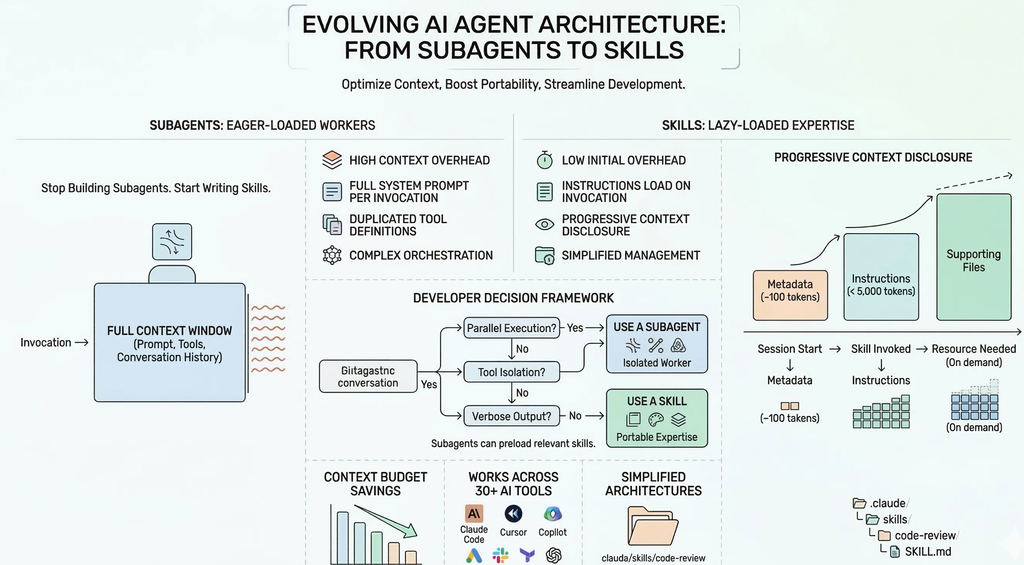
Businesses exploring whats a subagent often want to understand whether delegation provides practical advantages. Subagents can contribute specialist expertise, increase operational capacity and improve access to regional markets. They may also reduce pressure on primary agents by handling clearly defined responsibilities, allowing organisations to concentrate resources on planning, supervision and strategic decision-making.
However, appointing subagents introduces potential challenges. Communication problems, unclear responsibilities and inadequate supervision can affect performance. Unauthorised delegation may also create contractual or legal disputes. Organisations should therefore establish appropriate appointment procedures, define reporting requirements and regularly review performance to ensure delegated activities remain consistent with agreed objectives.
Subagent Responsibilities and Legal Considerations
Understanding whats a subagent also involves recognising the duties associated with delegated authority. Depending on the arrangement, a subagent may need to follow lawful instructions, exercise reasonable care, maintain confidentiality and communicate relevant information. Professional obligations can also include accurate record-keeping, avoiding conflicts of interest and acting within the limits of authorised responsibilities.
In the United Kingdom, legal requirements vary between commercial agency, property transactions, insurance distribution and other professional relationships. Certain commercial agency arrangements may fall within specific regulatory frameworks, while construction sub-agents operate under different contractual and employment responsibilities. Businesses should examine the applicable rules and obtain professional advice when necessary.
When Should a Business Appoint a Subagent?
Companies asking whats a subagent may be considering whether additional delegation could improve their operations. A subagent can be useful when a business requires specialist knowledge, additional workforce capacity or geographical coverage beyond the primary agent’s resources. Delegation may also help manage temporary increases in workload or complicated projects requiring several professional disciplines.
Before appointing a subagent, organisations should confirm that the original agreement permits the arrangement. Responsibilities, payment terms, reporting procedures and confidentiality requirements should be documented clearly. Effective supervision and regular communication help ensure that delegated work meets expectations while reducing misunderstandings between the principal, primary agent and subagent.
Conclusion
Understanding whats a subagent provides valuable insight into how responsibilities are delegated across business, construction, professional services and artificial intelligence. Although the precise definition varies between industries, the central concept involves an existing agent assigning particular duties to another person or system within an authorised working arrangement.
Subagents can improve operational efficiency, contribute specialist knowledge and help organisations manage complex responsibilities. Nevertheless, successful delegation depends on clear authority, effective communication and suitable supervision. Recognising the differences between agents, subagents and substituted agents allows businesses and individuals to approach professional arrangements with greater confidence and understanding.
Frequently Asked Questions
What is a subagent in simple words?
A subagent is a person appointed by an existing agent to perform particular duties within an authorised arrangement.
What is an example of a subagent?
A regional sales representative appointed by a commercial agent to assist with authorised business activities is one example.
What is the difference between an agent and a subagent?
An agent generally receives authority directly from a principal, while a subagent receives delegated authority through the primary agent.
What is a subagent in artificial intelligence?
An AI subagent is a specialised software agent that performs assigned tasks within a larger automated system.
Can a subagent appoint another agent?
Further delegation may be possible when the necessary authority exists and the relevant contractual or legal framework permits it.
You May Also Read: Digital Marketing Report Template Excel