WCS System: How It Works & Benefits of Warehouse Automation
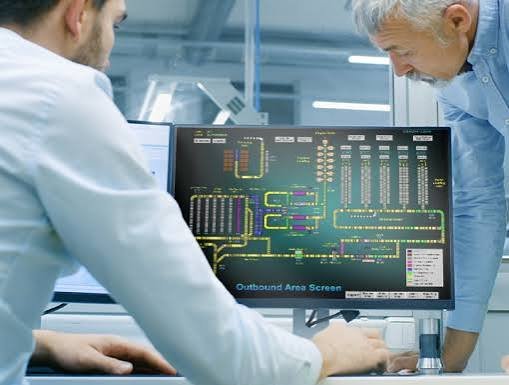
Modern warehouses are experiencing a major transformation as businesses adopt automation, robotics, and intelligent software to improve efficiency. A WCS system has become an important technology for managing automated operations because it connects warehouse software with physical equipment. By controlling machine movements, monitoring activities, and improving communication between different systems, it helps organisations achieve faster processing, better accuracy, and smoother warehouse performance.
As customer expectations continue to rise, businesses need warehouse solutions that can handle higher order volumes without creating delays. A WCS system supports this demand by providing real-time control over automated processes. It allows warehouses to coordinate complex operations, reduce manual involvement, and create a more organised environment where equipment and software work together effectively.
What Is a WCS System and Why Is It Important?
A WCS system, also known as a Warehouse Control System, is specialised software designed to manage automated warehouse equipment and control the movement of goods. It works as a connection between higher-level business platforms, such as Warehouse Management Systems (WMS), and physical technologies including conveyors, robots, and automated storage systems.
The importance of this technology comes from its ability to provide instant communication between software and machinery. In modern distribution centres, thousands of product movements can happen every hour, making manual control difficult. The system helps maintain accuracy, improves workflow management, and ensures that automated equipment performs tasks according to operational requirements.
How Does a WCS System Work in Warehouse Automation?
The working process begins when a warehouse management platform sends instructions regarding orders, inventory movement, or operational tasks. The WCS system receives these instructions and converts them into commands that automated machines can understand. This allows equipment to complete specific actions, such as moving products, sorting packages, or transferring items between different warehouse areas.
Real-time monitoring is another important part of warehouse automation. Sensors, controllers, and connected devices continuously provide information about equipment status and product movement. The system analyses this information and makes adjustments when needed, helping prevent delays, reduce congestion, and maintain a consistent flow of warehouse activities.
Key Features of a Warehouse Control System
One of the main features of a WCS system is equipment coordination. Automated warehouses often include multiple technologies, such as conveyors, robotic arms, sorting machines, and storage solutions. The system ensures that all these components communicate properly and operate together as one connected environment.
Another valuable feature is real-time routing and task management. The software can identify the best movement paths for products, assign tasks to available equipment, and manage unexpected situations such as equipment errors or workflow interruptions. These capabilities help warehouses improve productivity while maintaining reliable and efficient operations.
WCS System vs WMS and WES
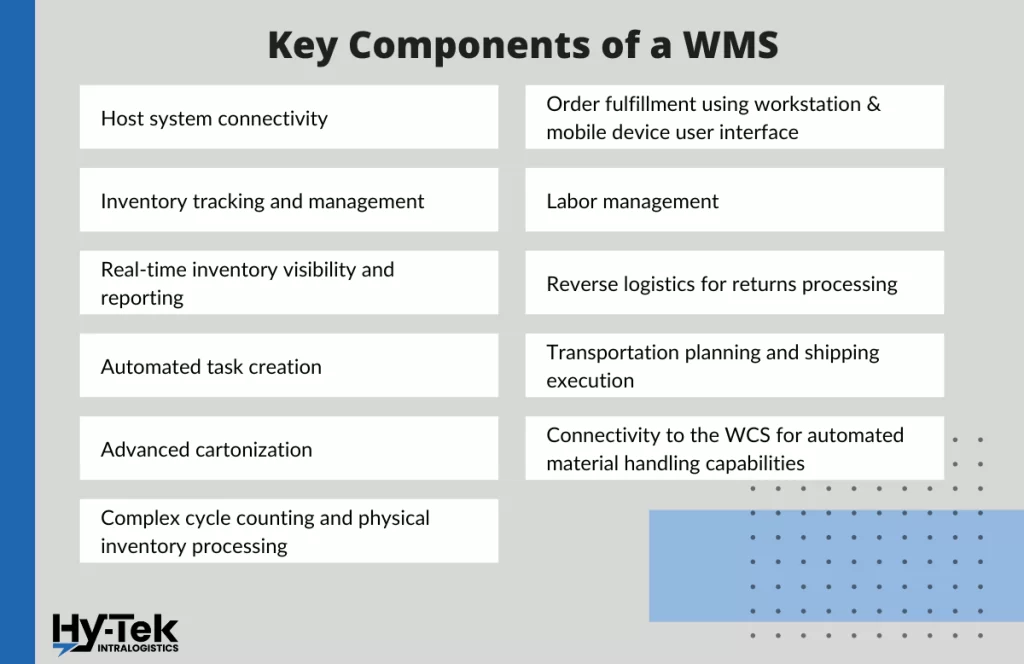
Understanding the difference between warehouse technologies is essential for businesses planning automation projects. A WCS system focuses on controlling automated equipment and managing real-time physical operations inside a warehouse. It ensures machines receive accurate instructions and complete tasks efficiently without unnecessary delays.
A Warehouse Management System mainly handles inventory planning, order processing, stock visibility, and warehouse organisation. A Warehouse Execution System combines elements of both WMS and WCS by managing workflow execution and operational planning. Choosing the right solution depends on the complexity of warehouse activities and the level of automation required.
Benefits of Using a WCS System for Warehouse Automation
A WCS system provides significant benefits for businesses looking to improve warehouse performance. One of the biggest advantages is increased operational efficiency because automated equipment can complete tasks faster and with better coordination. This reduces waiting times, improves order fulfilment speed, and allows warehouses to handle larger workloads.
Another major benefit is improved accuracy and reduced operational errors. Automated environments require precise communication between different machines, and the system helps ensure that every movement follows the correct process. It also provides better visibility into warehouse activities, allowing managers to identify issues quickly and make informed decisions.
Warehouse Equipment Controlled by WCS Technology
A WCS system can manage a wide range of automated warehouse equipment used in modern logistics facilities. This includes conveyor systems, automated storage and retrieval systems, automated guided vehicles, autonomous mobile robots, and robotic picking technologies. By connecting these different solutions, businesses can create a more organised and efficient automated environment.
The ability to control multiple equipment types through a single platform makes warehouse operations more flexible. Instead of managing each machine separately, companies can monitor and coordinate their entire automation network. This improves communication between technologies and helps create a smoother product flow from receiving to shipping.
Choosing the Right Warehouse Automation Solution
Selecting the right warehouse technology requires careful planning and understanding of business requirements. Companies should consider factors such as equipment compatibility, software integration, scalability, and future expansion needs. A suitable solution should work effectively with existing warehouse systems while supporting new automation technologies as operations grow.
Businesses should also evaluate technical support, reliability, and vendor experience before investing in automation software. The right technology partner can help with implementation, system upgrades, and long-term optimisation. A well-planned automation strategy allows warehouses to achieve better performance while reducing operational challenges.
Future of WCS System Technology
The future of warehouse automation is closely connected with advanced technologies such as artificial intelligence, machine learning, and the Internet of Things. A WCS system will continue evolving to provide smarter decision-making, improved equipment monitoring, and more advanced automation capabilities for modern logistics operations.
As warehouses move towards fully connected environments, intelligent control solutions will become increasingly important. Future developments will focus on predictive maintenance, autonomous decision-making, and improved integration between robotics and warehouse software. These improvements will help businesses create faster, more flexible, and highly efficient supply chain operations.
Conclusion
A WCS system plays a crucial role in modern warehouse automation by connecting software platforms with physical equipment and enabling real-time control. It improves operational efficiency, reduces errors, and allows businesses to manage complex automated environments more effectively. As industries continue adopting robotics and smart technologies, warehouse control solutions will remain an essential part of future logistics strategies.
Investing in the right automation technology can help businesses improve productivity, meet customer expectations, and prepare for future growth. With better equipment coordination, real-time visibility, and scalable capabilities, companies can build smarter warehouses that deliver reliable performance in an increasingly competitive market.
FAQs
What is a WCS system?
A WCS system is warehouse control software that manages automated equipment and coordinates real-time operations inside modern warehouses.
How does a WCS system improve warehouse automation?
It improves automation by controlling equipment movement, reducing delays, increasing accuracy, and creating better workflow coordination.
What is the difference between WCS and WMS?
WMS manages inventory and warehouse planning, while WCS focuses on controlling automated machinery and physical warehouse processes.
What equipment can a warehouse control system manage?
It can manage conveyors, robotics, automated storage systems, sorting equipment, AGVs, and autonomous mobile robots.
Why are businesses investing in warehouse control technology?
Businesses invest in this technology to increase efficiency, reduce errors, improve visibility, and support future warehouse automation needs.
You May Also Read: bp Andrew