
bp Andrew: North Sea Oilfield History, Location, Operations, and Decommissioning Guide
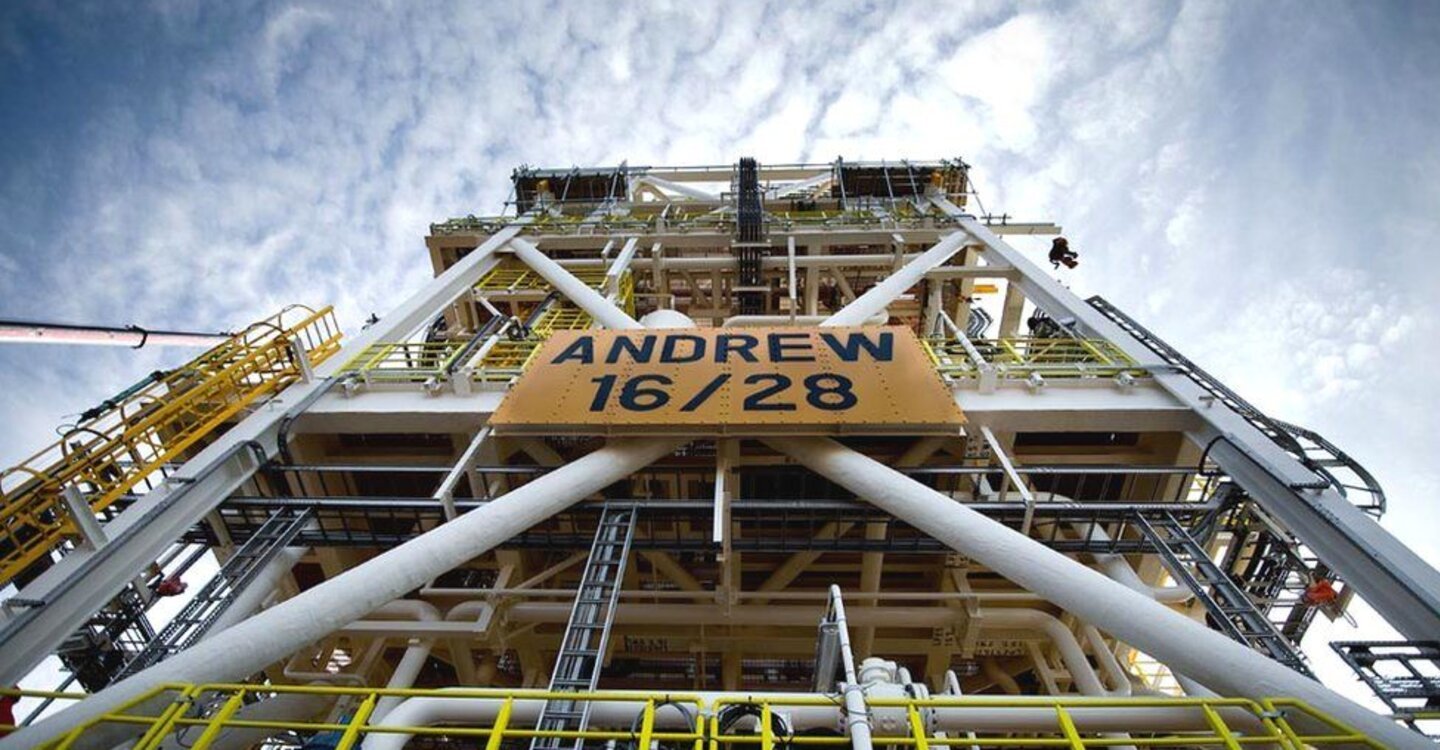
The North Sea has been one of the most significant regions for offshore oil and gas production in the United Kingdom, supporting energy supply, engineering innovation, and economic development for several decades. Within this important offshore environment, bp Andrew has played a notable role as an oil and gas asset that contributed to the growth of the UK energy industry. The field represents the combination of advanced offshore engineering, skilled workforce expertise, and complex production technology.
bp Andrew provides an interesting example of how offshore energy projects develop throughout their lifecycle. From initial exploration and construction to production operations and eventual decommissioning, the field reflects the changing nature of the North Sea oil and gas sector. Understanding the history, location, operations, and future plans of bp Andrew helps explain the importance of responsible offshore resource management.
The development of bp Andrew also highlights how energy companies manage large-scale offshore projects in challenging environments. The field required advanced infrastructure, safety procedures, and continuous technical improvements to maintain reliable production. Today, as the industry moves towards a new energy future, bp Andrew remains an important part of North Sea history.
What Is bp Andrew?
bp Andrew is an offshore oil and gas field located in the UK sector of the North Sea. It was developed by bp as part of its wider offshore operations and became one of the established assets contributing to UK hydrocarbon production. The field was designed to extract and process resources from beneath the seabed using advanced offshore technology.
The main purpose of bp Andrew was to recover oil and gas resources safely and efficiently through offshore production facilities. Like many North Sea developments, the field required significant investment in engineering, platform construction, subsea technology, and operational expertise. These elements allowed the field to operate successfully in a demanding marine environment.
Over its operational lifetime, bp Andrew demonstrated the importance of offshore assets in supporting energy supply. The field became part of a wider network of North Sea infrastructure, connecting production facilities with transportation systems and other regional developments.
Location and Infrastructure of bp Andrew Oilfield
bp Andrew is located within the UK Continental Shelf in the North Sea, approximately 230 kilometres northeast of Aberdeen, Scotland. This area has historically been one of the most productive offshore regions in Europe, containing numerous oil and gas fields that have supported the UK energy sector.
The offshore location of bp Andrew required specially designed infrastructure capable of operating in challenging weather conditions. The platform included production equipment, processing facilities, and supporting systems needed to manage offshore activities safely. Engineers and offshore teams worked continuously to maintain operations and ensure the reliability of the facility.
The infrastructure connected with bp Andrew also included subsea equipment and transportation systems that supported the movement of extracted resources. These connections allowed the field to operate as part of a wider offshore network rather than as an isolated installation.
History and Development of bp Andrew Field
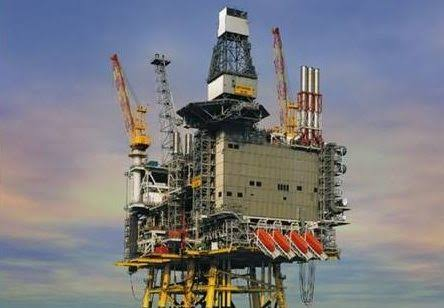
The history of bp Andrew began during a period of major exploration activity in the North Sea. The field was discovered in the 1970s, when advances in offshore technology allowed companies to explore deeper and more challenging areas of the UK Continental Shelf.
Following discovery, the development of bp Andrew required years of planning, engineering design, and construction. The offshore platform was created to withstand harsh marine conditions while providing a safe working environment for offshore personnel. The project represented the technological capabilities of the offshore industry during that period.
bp Andrew achieved first production in the 1990s, marking an important milestone in its operational journey. Over the following years, the field contributed to North Sea oil production while supporting employment opportunities across engineering, marine services, and offshore operations.
Operations and Production at bp Andrew
The operations of bp Andrew involved the extraction, processing, and transportation of oil and gas resources from offshore reservoirs. The platform was responsible for managing production activities while maintaining strict safety standards and operational efficiency.
Offshore teams used advanced monitoring systems and engineering practices to manage equipment performance and production processes. These technologies helped maintain reliable operations while allowing engineers to identify potential issues before they affected production.
bp Andrew operations also depended on supporting infrastructure, including subsea wells and export systems. These connections played a vital role in transporting produced resources from the offshore platform to facilities where they could be further processed and distributed.
The successful operation of bp Andrew required cooperation between offshore workers, engineers, maintenance teams, and specialist contractors. Their combined expertise helped maintain safe and efficient production throughout the field’s operational years.
Connected Fields and North Sea Assets
bp Andrew was part of a wider group of North Sea assets that worked together through shared infrastructure and regional energy networks. Offshore fields often rely on connections with nearby developments to improve efficiency and extend the useful life of existing facilities.
The Andrew area included associated fields such as Arundel, Cyrus, Farragon, and Kinnoull. These connected developments formed part of the broader offshore production landscape in the UK Continental Shelf and demonstrated how multiple assets can work together within the same energy region.
The relationship between these fields highlights the importance of strategic planning in offshore operations. Shared facilities, transportation systems, and technical expertise can help companies manage complex offshore environments more effectively.
bp Andrew Decommissioning Project and Future Plans
As a mature North Sea asset, bp Andrew is moving towards the decommissioning stage of its lifecycle. Offshore decommissioning involves carefully closing production activities, removing equipment, and ensuring that the site is managed safely and responsibly.
The bp Andrew decommissioning process includes activities such as plugging and abandoning wells, removing offshore structures, managing subsea equipment, and completing environmental assessments. These operations require detailed planning and cooperation between energy companies and specialist offshore contractors.
Decommissioning is an essential part of responsible offshore energy management. It allows ageing infrastructure to be retired safely while creating opportunities for engineering companies and offshore specialists. The process also reflects the wider transformation taking place across the North Sea energy industry.
Environmental and Economic Impact of bp Andrew
Throughout its operational life, bp Andrew contributed to the UK offshore economy by supporting jobs, supply chains, and specialist engineering services. Offshore projects create demand for skilled workers in areas such as construction, maintenance, safety, and marine operations.
The decommissioning phase also provides economic opportunities through new contracts and specialist services. Companies involved in offshore removal, environmental management, and engineering continue to support the industry during this transition period.
Environmental responsibility is a major consideration during the decommissioning of bp Andrew. Modern offshore projects must follow strict regulations to minimise environmental impact and ensure that activities are completed safely.
The Future of North Sea Energy After bp Andrew
The transition of bp Andrew reflects broader changes across the North Sea energy sector. Many offshore fields developed during previous decades are now reaching the later stages of their operational lives, creating new challenges and opportunities for the industry.
The experience gained from projects like bp Andrew provides valuable knowledge for future offshore developments. Lessons from engineering, safety management, and environmental protection can support new energy projects and improve offshore practices.
Although production from bp Andrew is approaching its final stage, the field remains an important part of UK offshore history. Its development and decommissioning demonstrate how energy assets evolve and adapt over time.
Conclusion
bp Andrew represents an important chapter in the history of the UK North Sea oil and gas industry. From its discovery and development to decades of offshore operations, the field has demonstrated the importance of engineering expertise, advanced technology, and responsible energy management.
As bp Andrew moves towards decommissioning, it continues to highlight the changing future of offshore energy. The field’s legacy includes not only its contribution to oil production but also the knowledge and experience gained from managing a complex offshore asset throughout its complete lifecycle.
FAQs
What is bp Andrew?
bp Andrew is an offshore oil and gas field located in the UK sector of the North Sea and developed as part of bp’s offshore operations.
Where is bp Andrew located?
bp Andrew is located in the UK Continental Shelf area of the North Sea, around 230 kilometres northeast of Aberdeen, Scotland.
When was bp Andrew discovered?
The Andrew field was discovered in 1974 during North Sea exploration activities.
When did bp Andrew begin production?
bp Andrew started producing oil in 1996 after completing offshore development and construction work.
Why is bp Andrew being decommissioned?
bp Andrew is being decommissioned because it is reaching the later stage of its production lifecycle as a mature offshore asset.
You May Also Read: Warehouse Control Systems