Google Vehicle Ads: Setup, Costs & Requirements in 2026
The automotive industry has experienced significant changes as more customers begin their vehicle purchasing journeys online. Car dealerships increasingly depend on digital advertising to showcase available stock, attract interested buyers and generate valuable enquiries. Google Vehicle Ads provide a specialised advertising format that displays vehicle information directly within eligible Google Search results, helping automotive retailers connect with potential customers who are actively researching cars.
For dealerships exploring modern advertising opportunities, understanding how these campaigns operate is essential. From eligibility requirements and inventory feeds to campaign budgets and performance tracking, several factors influence advertising success. This comprehensive guide explains Google Vehicle Ads, their setup process, potential costs, benefits and important considerations for UK automotive businesses planning their digital marketing strategies in 2026.
What Are Google Vehicle Ads and How Do They Work?
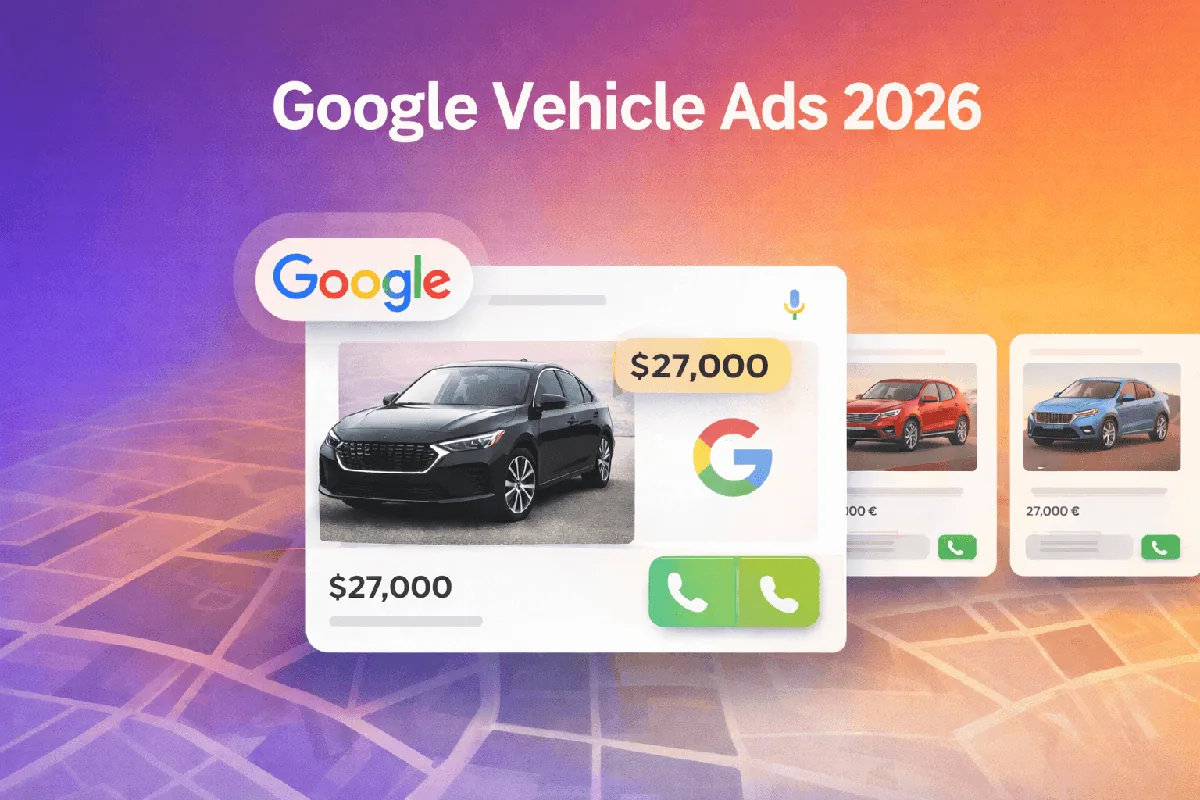
Google Vehicle Ads are performance-focused automotive advertisements designed to promote individual vehicles to people searching for cars online. Unlike traditional text advertisements, these listings can display vehicle photographs, manufacturers, models, prices, mileage and dealership information. This visual presentation allows potential buyers to examine important details before clicking an advertisement, creating a more relevant connection between customer searches and available dealership inventory.
When customers select a vehicle advertisement, they are directed to the corresponding vehicle description page on the advertiser’s website. Here, they can explore specifications, request additional information, contact the dealership or arrange a test drive. The advertising format uses structured inventory information and Google’s campaign technology to connect relevant vehicle listings with interested shoppers in supported markets.
Google Vehicle Ads Requirements and Eligibility in 2026
Businesses planning to use Google Vehicle Ads must satisfy Google’s advertising policies, account requirements and country-specific eligibility conditions. Depending on the market, participating advertisers may include authorised dealerships, automotive retailers and other approved vehicle advertising businesses. Advertisers generally need properly configured Google Ads and Merchant Center accounts, alongside accurate business information and suitable vehicle inventory data.
Vehicle eligibility is another important consideration because not every transport category qualifies for this advertising format. Supported inventory generally focuses on eligible new and used passenger vehicles, while restrictions may apply to commercial vehicles, motorcycles and other specialised categories. Advertisers must also maintain accurate prices, mileage, availability and landing page information to reduce the risk of feed errors or advertising disapprovals.
How to Set Up Google Vehicle Ads Step by Step
Setting up Google Vehicle Ads begins with confirming programme availability and preparing the required advertising accounts. Eligible businesses can configure Google Merchant Center and create a structured vehicle inventory feed containing essential attributes such as manufacturer, model, condition, price, mileage and vehicle identification details. Clear photographs and accurate descriptions are particularly important because they influence the quality and usefulness of individual listings.
Once the inventory feed has been configured and approved, advertisers can connect the relevant accounts and establish a supported Performance Max campaign in Google Ads. Campaign settings should reflect realistic budgets, geographic targeting and measurable business objectives. Proper conversion tracking allows dealerships to monitor valuable customer actions, including enquiry submissions, telephone calls and test-drive requests, rather than concentrating exclusively on advertisement clicks.
Google Vehicle Ads Costs and Pricing Explained
The cost of Google Vehicle Ads varies according to competition, targeting, bidding strategies and campaign performance. There is no universal fixed price that applies to every automotive advertiser. Dealerships operating in highly competitive locations may experience different advertising costs from businesses targeting smaller markets, particularly when several retailers compete for customers interested in similar vehicles.
Developing an appropriate advertising budget requires careful consideration of expected customer demand, average vehicle profitability and lead generation objectives. Businesses should monitor metrics such as cost per lead, conversion rate and return on advertising spend. Regular performance reviews help identify inefficient expenditure and provide opportunities to improve campaign settings without assuming that higher advertising budgets automatically produce better sales results.
Benefits of Google Vehicle Ads for Car Dealerships
One significant advantage of Google Vehicle Ads is their ability to present detailed inventory information to customers already demonstrating an interest in purchasing vehicles. By displaying photographs, prices and specifications within search results, these advertisements can help shoppers identify relevant options quickly. This approach may generate more informed website visits and encourage enquiries from people interested in particular vehicles.
Another benefit involves inventory management and advertising efficiency. Structured vehicle feeds allow eligible dealerships to promote numerous available cars without creating individual text advertisements for every listing. When inventory information remains accurate, businesses can maintain more relevant campaigns and reduce repetitive manual work. Performance reporting also provides useful insights into customer engagement, helping automotive retailers refine their wider digital marketing strategies.
Google Vehicle Ads Best Practices and Common Mistakes

Effective Google Vehicle Ads campaigns depend heavily on the accuracy and quality of vehicle inventory information. Advertisers should provide clear photographs, consistent pricing, correct mileage and regularly updated availability details. Vehicle description pages should load efficiently on mobile devices and include straightforward ways for interested customers to contact the dealership or request further information.
Common advertising mistakes include outdated inventory feeds, incomplete vehicle attributes, incorrect landing page information and unreliable conversion tracking. These problems can reduce campaign effectiveness or cause listings to be rejected. Dealerships should regularly review Merchant Center diagnostics, evaluate customer enquiries and maintain consistent information across advertisements and websites to support stronger campaign performance.
Google Vehicle Ads in the UK: Availability and Opportunities
Google Vehicle Ads availability differs between countries, making regional eligibility an important consideration for British automotive businesses. Although the programme operates in established international markets, UK dealerships should confirm current access through official Google Merchant Center documentation before investing in implementation. Some advertising features may be introduced gradually or remain subject to additional approval requirements.
Where vehicle-specific advertising is unavailable, dealerships can consider alternative digital marketing approaches through Google Ads. Traditional Search campaigns can target customers researching particular manufacturers, vehicle models or local dealerships. Other eligible campaign formats may also support brand awareness and lead generation. Selecting an appropriate strategy depends on business objectives, available advertising tools and the competitive conditions of the UK automotive market.
Conclusion
Google Vehicle Ads offer automotive retailers an opportunity to promote vehicle inventory through detailed, visually engaging advertisements. Their effectiveness depends on accurate vehicle information, suitable account configuration, realistic advertising budgets and continuous campaign optimisation. Understanding eligibility requirements and maintaining reliable inventory feeds are essential steps for businesses considering this specialised advertising format.
For UK dealerships planning their marketing activities in 2026, verifying current programme availability should remain a priority. Businesses can also strengthen their digital presence through alternative Google advertising campaigns where necessary. By focusing on customer experience, measurable enquiries and responsible budget management, automotive retailers can develop more effective advertising strategies and improve their opportunities to reach potential vehicle buyers.
Frequently Asked Questions
What are Google Vehicle Ads?
They are automotive advertisements that display vehicle images, prices and specifications in eligible Google Search results.
How much do Google Vehicle Ads cost?
Advertising costs vary depending on competition, bidding strategies, campaign budgets and customer demand.
Are Google Vehicle Ads available in the UK?
UK availability depends on Google’s current regional eligibility requirements and programme access.
How do I set up Google Vehicle Ads?
Eligible businesses configure Merchant Center, upload vehicle inventory and create a supported Performance Max campaign.
Are Google Vehicle Ads worth it for car dealerships?
They can help eligible dealerships attract interested customers, promote available vehicles and generate valuable sales enquiries.
You May Also Read: Undercover Tourist App